
April 15, 2026
Vehicle Scrappage Process Guide UK
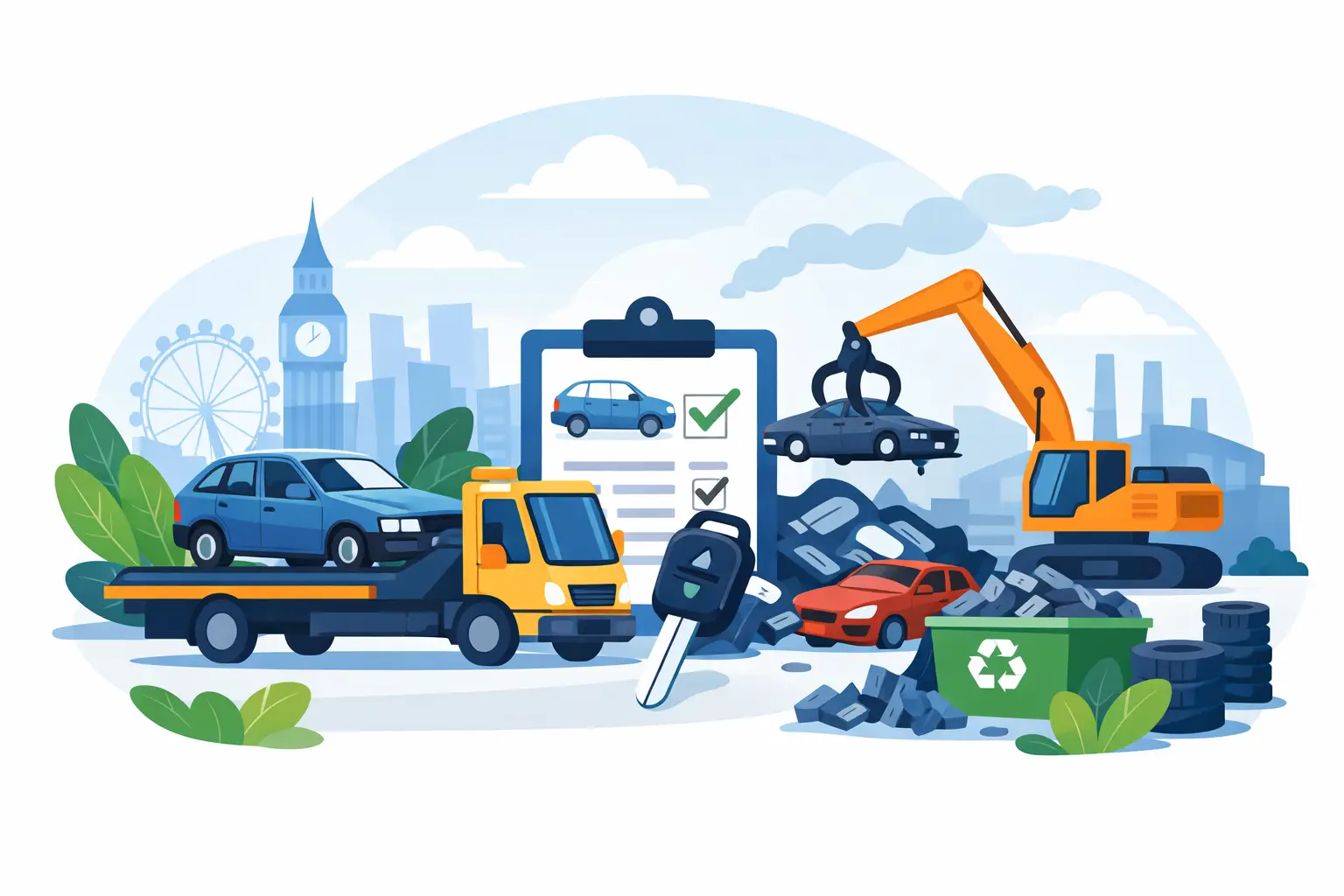
A clear vehicle scrappage process guide for UK car owners. Learn quotes, collection, paperwork and payment so you…
Read article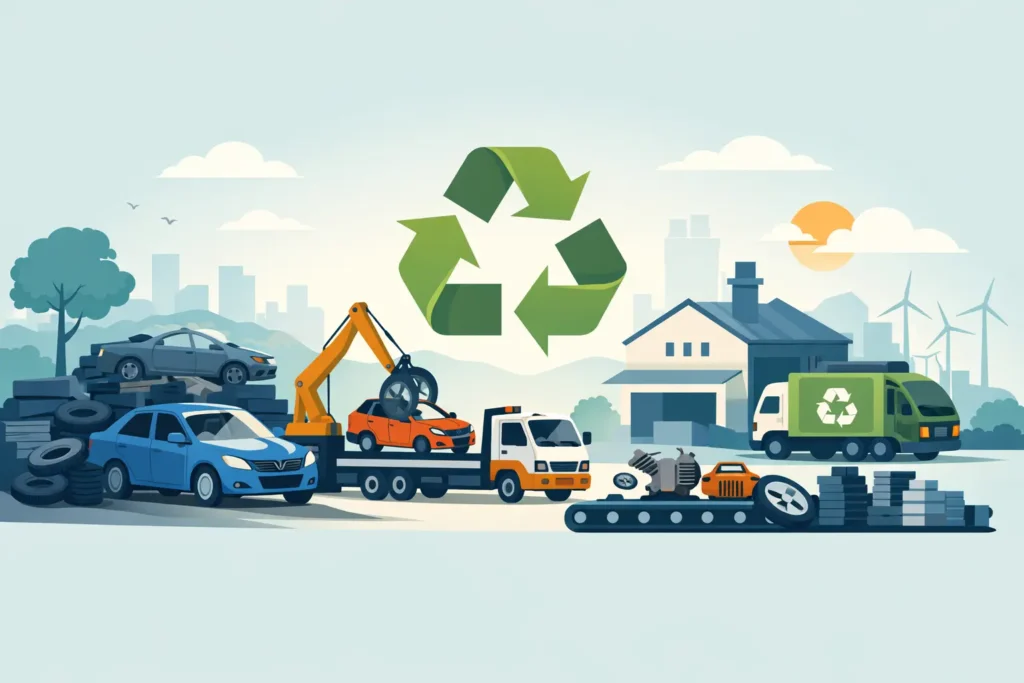
A car can sit on a drive for months because nobody wants the hassle. It will not start, the MOT has run out, repairs cost more than the vehicle is worth, and selling privately feels like hard work for very little return. That is usually the point where vehicle recycling stops being a vague industry term and becomes the practical next step.
For most owners, the real question is not whether an old or damaged car can be recycled. It is how the process works, what value is left in the vehicle, and whether everything will be handled properly. If you are dealing with a non-runner, accident damage, or an end-of-life car, those details matter far more than glossy promises.
Vehicle recycling is the controlled process of collecting, depolluting, dismantling and processing a car so its materials can be reused or recovered. That sounds technical, but the basic idea is simple. A vehicle is not just crushed and forgotten. Before that stage, fluids and hazardous parts need to be removed safely, and usable materials such as steel, aluminium, plastics and glass are separated for further processing.
This matters because a modern car contains far more than scrap metal. There are oils, coolant, batteries, tyres, wiring, catalytic converters and a long list of components that need to be dealt with correctly. Done properly, recycling reduces waste, supports reuse of raw materials and prevents environmental harm. Done badly, it creates legal and environmental problems that most vehicle owners want nowhere near.
Most people do not start looking for recycling because they are interested in the process itself. They do it because the car has become a problem. It may have failed its MOT with a list of repairs that no longer makes financial sense. It may be taking up space at home, parked at a garage, or stranded on a roadside after a breakdown.
In those cases, vehicle recycling is often the quickest route to closing the chapter. Instead of paying for towing, fielding messages from timewasters and worrying about paperwork, the owner can arrange a quote, book collection and have the vehicle removed properly. That convenience is a major part of the decision, especially when the vehicle is no longer roadworthy.
There is also the payment side. Scrap value depends on several factors, including make, model, age, weight, condition and demand for recyclable materials. Some vehicles are worth more because of their metal content. Others may still hold value because of specific components or the overall model demand. It depends on the vehicle, which is why accurate quotes matter.
Owners are often surprised that two cars of similar age can produce very different offers. The biggest factor is not simply age. Weight plays a role, as heavier vehicles generally contain more recoverable metal. The catalytic converter can also affect value, as can whether the car is complete.
Condition still matters, even when the vehicle is beyond economical repair. A burnt-out shell and a complete car with mechanical failure are not valued in the same way. Missing parts, severe accident damage or stripped interiors can reduce the price. On the other hand, a vehicle that does not run but is otherwise complete may still return a solid offer.
Location can also affect the practical side of the job. If a collection service includes recovery, that removes a major obstacle for owners with vehicles that cannot be moved. Around Peterborough and nearby areas, that can make a big difference when a car is stuck on a driveway, at a workshop or in a car park.
A good recycling service should feel straightforward from the start. You provide basic vehicle details, usually the registration and postcode, and receive a quote. If you are happy with it, collection is arranged. For owners, that is often the key moment because it removes the biggest practical headache: how to get an unroadworthy car from A to B.
When the vehicle is collected, the identity and ownership details need to match up properly. That helps protect both sides and keeps the transaction compliant. Payment is then made by bank transfer, and the paperwork is handled so the transfer or end-of-life process is properly recorded.
That may sound routine, but it is where many people want reassurance. They do not want to guess what forms are needed or wonder whether the vehicle is still registered in their name weeks later. A professional process should leave no loose ends.
Once the vehicle reaches an authorised recycling facility, it goes through depollution. That means fuel, oil, brake fluid, coolant and other liquids are removed and stored safely. The battery is taken out, and hazardous parts are dealt with according to regulations.
After that, the vehicle may be dismantled further before the remaining shell is processed. Ferrous and non-ferrous metals are separated, and other materials are sorted for recovery where possible. Not every part of every car can be reused in the same way, but a large proportion of the vehicle can be recovered or recycled.
This is the point where vehicle recycling does the job people expect it to do. It turns a dead vehicle into material that still has value, while keeping harmful substances out of the wrong places. For the owner, the practical result is simple: the car is gone, the paperwork is sorted, and the matter is dealt with properly.
When people hesitate, it is often because they are unsure about the legal bits rather than the collection itself. They want to know whether they need documents, whether the car must be taxed, or what happens if it has been off the road for months.
In most scrap and end-of-life situations, the important thing is that the disposal is handled through the proper channels and recorded correctly. You should expect to confirm ownership and provide the necessary vehicle details. If the car is not running or has no current MOT, that does not usually stop the recycling process, but it does make professional collection far more useful.
The key point is simple. You should not be left chasing updates or trying to work out official paperwork on your own. A proper service should guide you through what is needed and make sure the vehicle’s status is correctly updated.
Everyone wants a fair price, but most owners with an unwanted car are also buying back time and peace of mind. The highest theoretical offer means very little if the buyer cannot collect quickly, changes the price on arrival, or leaves you sorting out the admin afterwards.
That is why speed and reliability matter. If your car is blocking the drive, sitting outside a garage or causing problems with parking, you usually want it gone without delay. A service that can quote quickly, collect seven days a week and pay promptly is often the better option than dragging the process out for a small difference in price.
For many local owners, that is the practical advantage of using a specialist service such as Scrap Cars Peterborough. The process is built around fast quotes, free collection and handling the official side without making the seller do the running around.
There are cases where selling a car privately still makes sense. If the vehicle is roadworthy, has a decent service history and only needs light cosmetic work, a private sale may bring more money. That is the trade-off. It can also take longer, involve viewings, negotiation and no guarantee of a straightforward buyer.
Vehicle recycling is usually the better fit when the car is non-running, badly damaged, uneconomical to repair or simply not worth the effort of a private sale. It is also the right move for owners who need a clean, quick solution rather than another job added to the week.
A car that has reached the end of the road does not need to become a bigger problem than it already is. If the process is handled properly, recycling is not complicated. It is just a sensible, compliant way to turn an unwanted vehicle into something settled, paid for and out of your way.
Ready to get a fair price for your scrap car?
Get a Free Quote
A clear vehicle scrappage process guide for UK car owners. Learn quotes, collection, paperwork and payment so you…
Read article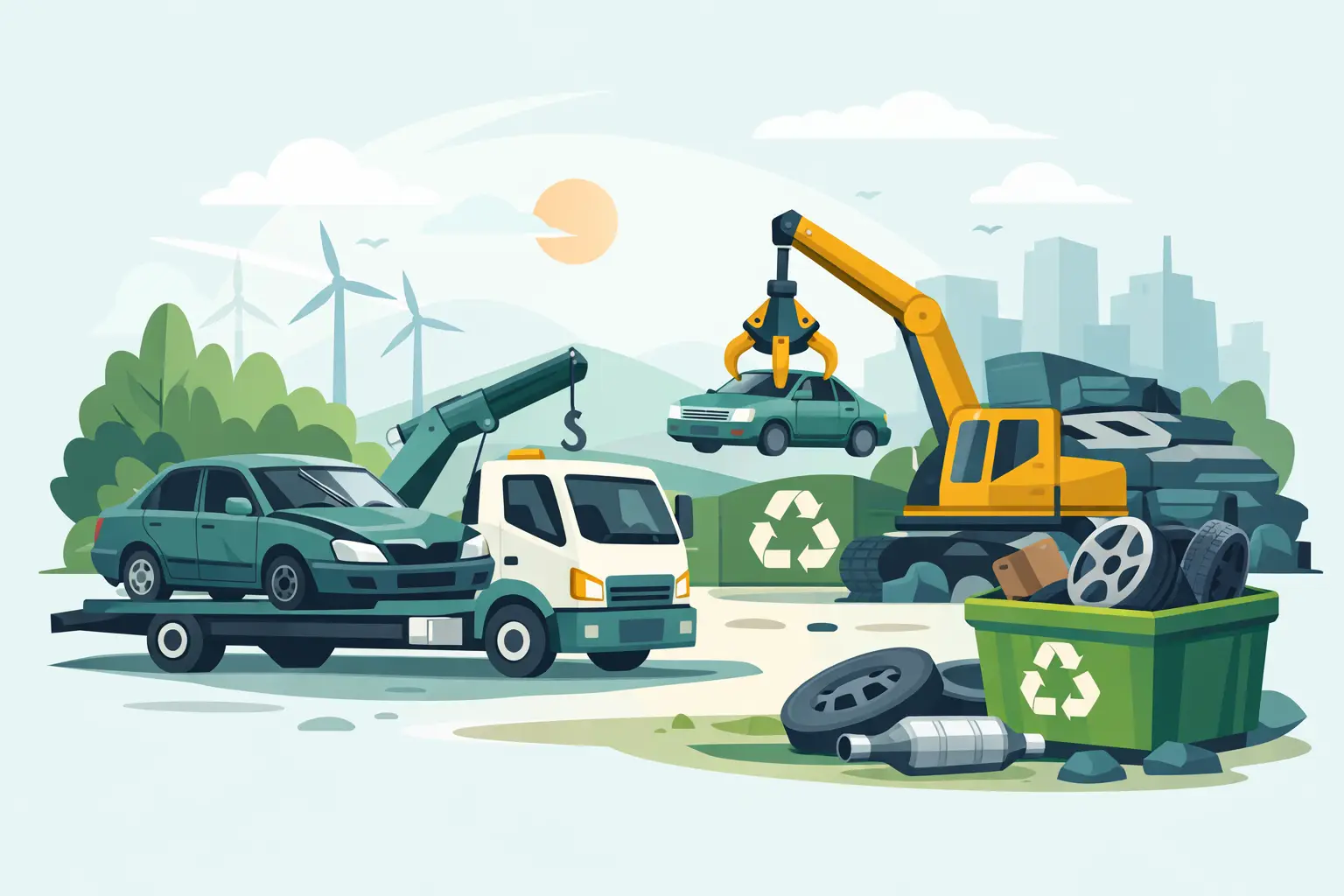
Need car recycling Peterborough? Get a fair quote, free collection, fast payment and help with DVLA paperwork for…
Read article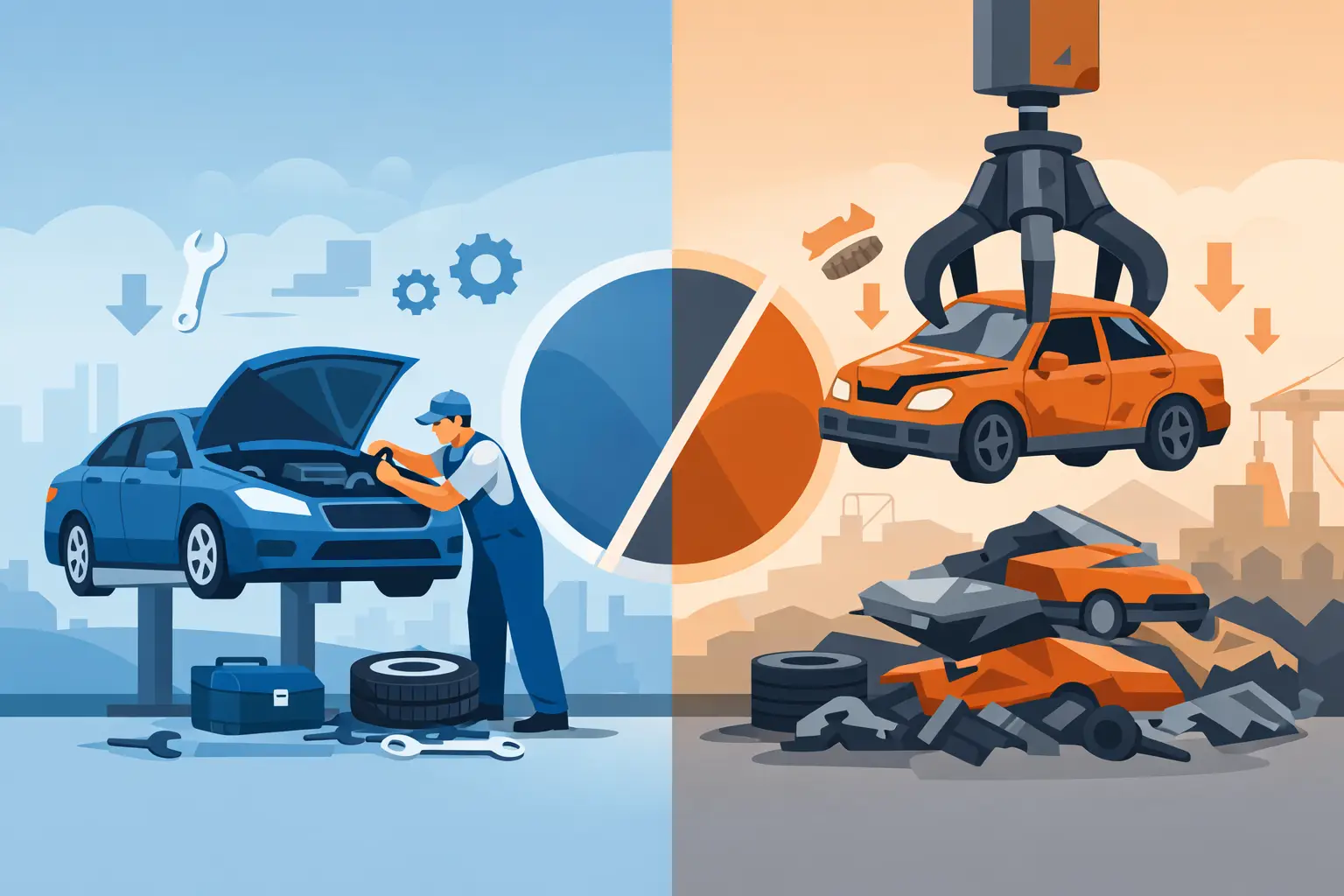
Repairing versus scrapping cars depends on cost, age and damage. Learn when a repair makes sense and when…
Read article