
March 28, 2026
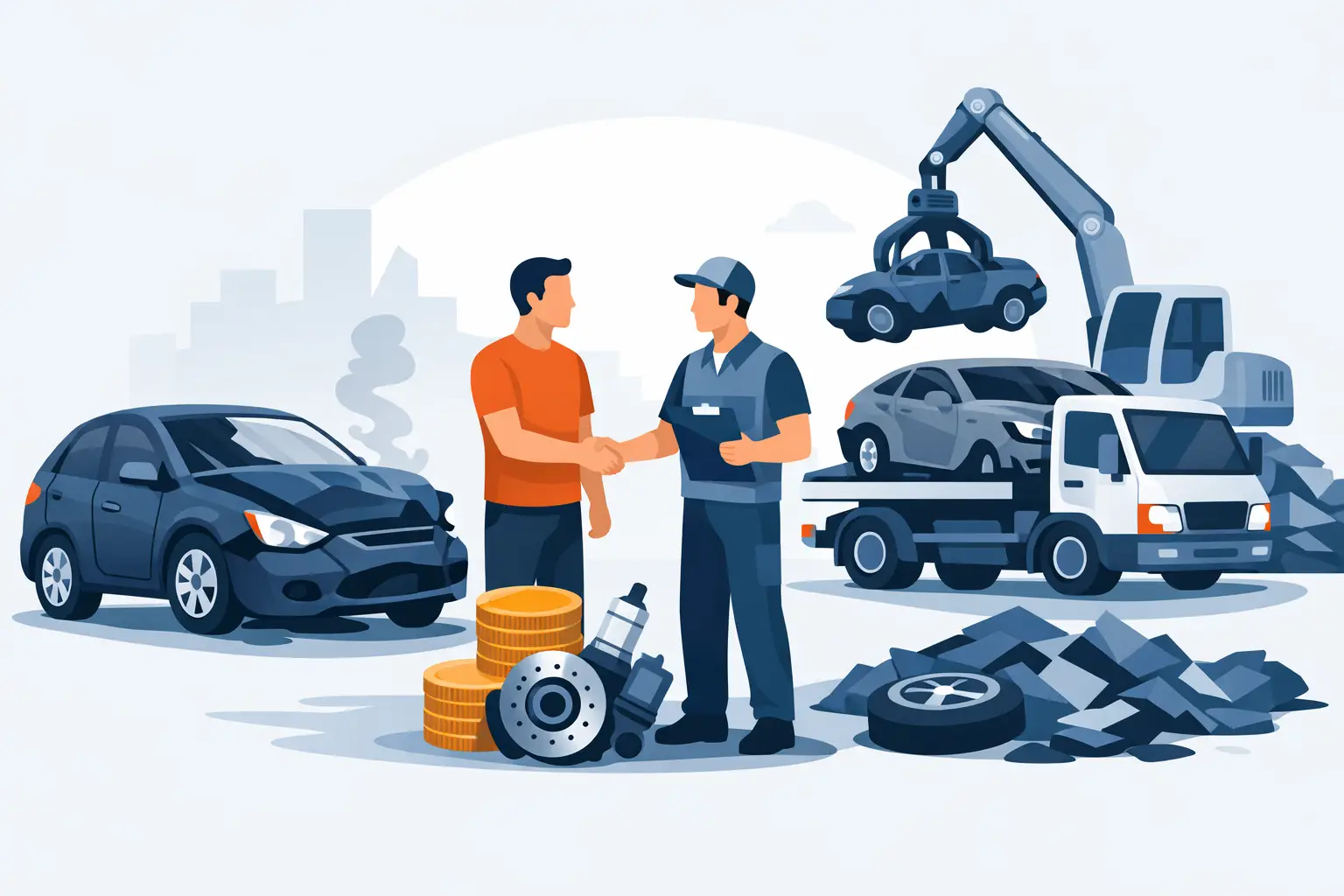
How to Sell Damaged Car for Scrap
Learn how to sell damaged car for scrap, what affects the price, which documents you need, and how…
Read article
A car that will not start is difficult to sell because a buyer cannot simply take it for a test drive and drive it away. A clear non starting vehicle sale example gives people the facts they need, protects you from disputes, and helps you decide whether a private sale or a collected scrap quote is the better route.
The key is not to make the vehicle sound better than it is. Be direct about what happens when you turn the key or press the start button, whether it has been inspected, and whether it can be moved safely. Honest detail saves time, avoids wasted viewings and usually produces a more realistic offer.
A useful listing or sale message should answer the practical questions before anyone asks them. Start with the registration year, make, model, fuel type and approximate mileage. Then state plainly that the vehicle does not start and explain the known reason, if you know it.
For example, there is a major difference between a car with a flat battery that has otherwise been running well and a vehicle that stopped while driving, has warning lights on, or has been diagnosed with an engine fault. If you are not sure of the cause, say so. Guessing can cause problems later.
Here is a straightforward example for a non-running vehicle:
> 2011 Ford Fiesta, petrol, approximately 118,000 miles. Non-runner. The car does not start and has been parked on the drive for three months. Dashboard lights come on, but the engine does not turn over. No recent diagnostic inspection, so the fault is unknown. Bodywork has age-related marks and the MoT has expired. V5C is available. Collection required from PE2.
This works because it gives a buyer or collection operator enough information to plan the collection and value the vehicle. It does not promise that the repair will be simple, and it does not hide the expired MoT or cosmetic condition.
If the car is accident-damaged, include that fact. If it has flat tyres, a missing key, a locked steering wheel, or is blocked in on a narrow drive, say so before collection is booked. These details affect how the vehicle can be loaded and prevent avoidable delays on the day.
Use phrases such as “diagnosed as needing a starter motor” only when a garage has actually confirmed it. If the garage advised that the engine may have failed, do not turn that into “needs an engine” unless that is certain.
A safer wording is: “Garage advised further investigation is required” or “vehicle stopped running and has not been diagnosed.” Buyers understand uncertainty with a non-starter. What they do not appreciate is being told a fault is minor when it turns out to be something else.
A non-starting car can sometimes be worth selling privately, particularly if it is a desirable model, has a recent history of good condition, or the problem is well documented and likely to be economical to repair. In that case, a detailed advert may attract an enthusiast or a trade buyer willing to collect.
But a private sale is not always the best-value option once the effort is considered. You may need to answer repeated messages, arrange viewings, deal with low offers and wait for somebody with suitable transport to collect it. A buyer may also arrive and attempt to negotiate the price down because the vehicle cannot be tested.
For an older car with an expired MoT, major mechanical trouble, serious damage or little resale value, a professional scrap or recycling collection is often the simpler choice. You get a quote based on the vehicle details, arrange collection, and avoid finding a way to transport an unroadworthy car yourself.
The right route depends on the car’s likely repair value, its overall condition and how quickly you need the space back. If the vehicle is sitting on a drive, at a garage or stranded after a breakdown, convenience can be worth as much as the extra amount a speculative private buyer claims to offer.
Do not compare your non-runner with advertised prices for running, MoT-tested examples. Those cars can be inspected and driven. Their prices reflect a very different level of risk.
A realistic value is based on the make and model, age, weight, mileage, catalytic converter status, visible damage, demand for the vehicle and the likely cost of recovery. A newer car with a known electrical issue may receive a stronger offer than an older vehicle with severe corrosion, but there is no reliable one-price-fits-all figure.
If you choose a private sale, set expectations in the advert by using “spares or repair” only where that is genuinely appropriate and by stating that collection is required. Do not accept a deposit from someone you cannot verify, and do not hand over the vehicle or its paperwork until the agreed payment has cleared.
If you choose collection for recycling, provide the registration and postcode for an accurate quote. This allows the collector to identify the vehicle and assess the local collection requirements without asking you to estimate its weight or arrange recovery yourself.
Even when a car will not start, a little preparation makes the handover quick and uncomplicated. Remove personal possessions from the glovebox, boot, door pockets and under the seats. Check for parking permits, service documents with personal information, sunglasses, chargers and spare change.
Have the V5C registration document ready if you have it. A missing V5C does not always prevent a vehicle from being collected, but you should tell the service in advance so the correct process can be explained. Keep a record of the collection and follow the instructions given for notifying the DVLA that you are no longer responsible for the vehicle.
Make the vehicle accessible where possible. A collection lorry needs safe access, especially if the car has seized brakes, flat tyres or cannot be placed in neutral. If it is on a roadside, in a multistorey car park, behind another vehicle or on a busy estate, mention this while booking. The collection team can then plan the right equipment and timing.
Do not attempt to drive a vehicle without a valid MoT, insurance or roadworthiness simply to get it closer to a collection point. Free collection removes that pressure and is usually the safer option.
Expect to be asked whether the car has keys, whether the engine turns over, whether it rolls, and whether there is any major accident or fire damage. You may also be asked about the vehicle’s location and whether it is easy to access.
Answer what you know in plain language. “One key, no spare. Engine does not crank. Car rolls freely. Parked on a level driveway with clear access” is far more useful than a vague description such as “probably an easy fix.”
If you have a diagnostic report, invoice or garage message, keep it available. It may support your description, but it is not essential for a straightforward collection quote. The important thing is consistency between the information you give initially and the condition of the vehicle at handover.
For drivers in Peterborough and nearby areas, Scrap Cars Peterborough offers a practical alternative to writing adverts and waiting for private buyers. Enter the registration and postcode for a quote, book a convenient collection slot, and let the collection team deal with a vehicle that cannot be driven. Collections can be arranged seven days a week, including weekends and bank holidays, with bank payment and paperwork support handled as part of the process.
This is particularly useful when the vehicle is taking up valuable space, has failed unexpectedly, or is not worth spending more money on to make it saleable. You still need to describe its condition honestly, but you do not need to arrange a tow or negotiate with several unknown buyers.
A non-starting car does not need to become a long-running problem. Give an honest description, choose the sale route that suits the vehicle’s condition, and make sure collection and paperwork are arranged properly before it leaves your property.
Ready to get a fair price for your scrap car?
Get a Free Quote
Learn how to sell damaged car for scrap, what affects the price, which documents you need, and how…
Read article
Find out the documents needed for car collection in the UK, what to do if paperwork is missing,…
Read article
Need scrap car Peterborough collection fast? Get a fair quote, free pickup, quick payment and help with DVLA…
Read article