
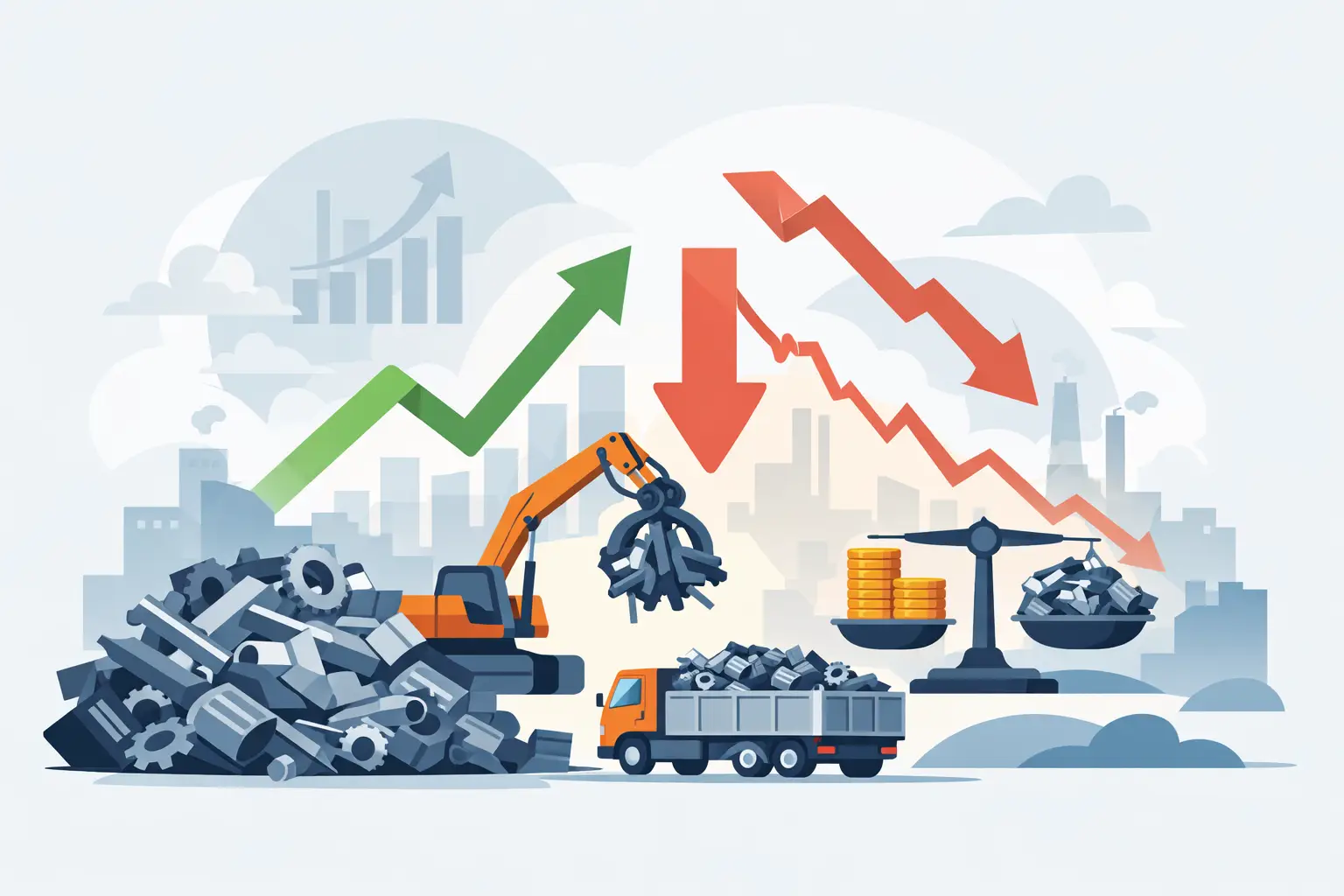
If you have checked your car’s scrap value one week and seen a different figure the next, you are not imagining it. A lot of people ask why are scrap prices changing, especially when they need to get rid of a non-runner quickly and want to know whether to accept today’s offer or wait. The short answer is that scrap prices move because the value of the car’s materials, parts demand, transport costs and recycler demand all move as well.
For most sellers, the key point is this: scrap value is not plucked out of thin air. It is based on real market conditions on the day, and those conditions can change faster than many people expect.
Why are scrap prices changing in the first place?
A scrap car is not just an old vehicle with a problem. It is a mix of steel, aluminium, copper, catalytic converter materials and reusable components, all of which have a changing value. When the market pays more for those materials, scrap prices tend to rise. When those values soften, offers can fall.
That is one side of it. The other is operational. Collection distance, fuel costs, labour, processing capacity and buyer competition all affect what a recycler can pay. So even if your car has not changed at all, the economics around collecting and processing it may have.
This is why two things can be true at once. You might have a car with strong scrap potential, and yet the quote still comes in lower than it did a month ago. Equally, a vehicle that seems like little more than dead weight may bring a better return if demand is strong at that moment.
Metal markets have the biggest influence
For most end-of-life vehicles, steel is the main ingredient in the final price. Cars are heavy, and much of that weight is metal. If steel prices rise, recyclers can usually pay more for vehicles. If steel prices drop, offers often come down.
Aluminium and copper matter too. Modern cars contain more mixed materials than many owners realise, and wiring looms, alloy wheels and engine components all contribute to overall value. Catalytic converters can also make a difference because they contain precious metals, but that depends heavily on the specific vehicle and whether those components are present and intact.
These material values are tied to wider UK and global markets. Manufacturing demand, export conditions, energy costs and even currency movements can push prices up or down. That means scrap values can shift even if nothing has changed locally in Peterborough or the surrounding area.
The type of vehicle still matters
Not every scrap car is worth the same, even on the same day. Weight is a major factor. A larger vehicle often carries more metal and can return more than a smaller hatchback, all else being equal.
But weight is not the whole story. Make, model, age and condition also affect the quote. Some vehicles are more attractive to recyclers because specific components remain in demand. Others may be more expensive to handle or have less salvageable value beyond raw scrap.
A complete vehicle usually attracts a stronger offer than one that has already been stripped. Missing wheels, removed catalytic converters, absent batteries or major damage can reduce what a buyer is willing to pay. So when sellers compare prices, it helps to compare like with like. A complete non-runner and a partly dismantled shell are not priced the same way.
Demand from breakers and recyclers can push prices up
Scrap prices do not move only because of metal values. Network demand plays a part as well. If more authorised recyclers and breakers are actively buying certain vehicles, quotes can improve because there is more competition for them.
This is especially relevant when parts demand is strong. Even if a car is headed for scrap, some components may still have value in the recycling chain. That can support a better offer than raw metal weight alone would suggest.
On the other hand, when yards are full or processing capacity is tight, prices can soften. A buyer may still want the vehicle, but they may not be able to pay as strongly if they are already holding too much stock or facing delays in moving material on.
Collection and transport costs affect your quote
This is one of the most overlooked reasons behind changing prices. If your car does not start, cannot roll properly or is awkward to access, the cost of collecting it can eat into the price. The same goes for long distances, difficult loading conditions or specialist recovery needs.
Fuel prices matter here. So do driver availability and route planning. A collection that fits neatly into an existing run is cheaper to carry out than a one-off journey well out of the way. That is why quotes can vary by postcode, even for very similar cars.
For local sellers, using a service with strong collection coverage can help because it has more flexibility in scheduling and logistics. That often leads to more competitive pricing than a buyer who has to stretch resources to reach you.
Time of year can make a difference
Seasonality does have an effect, although not always in a dramatic way. Winter can bring more vehicle failures, battery issues and accident damage, which may increase the number of cars entering the market. If supply rises sharply, prices can come under pressure.
At other times, stronger manufacturing demand or improved commodity markets can support better rates. Bank holidays and busy seasonal periods can also affect staffing, collection planning and processing times, which may influence what buyers offer in the short term.
It is not a perfect pattern, and there is no month that guarantees the best price every year. Still, seasonal pressure is one reason quotes are not fixed.
Why your quote changed overnight
When people ask why are scrap prices changing, what they often mean is why did my quote change so quickly? The answer is that pricing is live. Buyers react to current market conditions, current workload and current disposal value.
If metal prices move, a yard fills up, transport costs change or buyer demand shifts, the offer can change with it. Some quotes are only intended to reflect market conditions for a limited time for exactly that reason.
That does not mean pricing is unreliable. It means pricing is responsive. The market today may simply not be the market from yesterday.
Should you wait or sell now?
This depends on your situation. If the car is sitting safely, costs you nothing and you are happy to wait, there is always a chance the market may improve. But there is just as much chance that it may not.
For many owners, waiting is not actually free. An untaxed or uninsured vehicle taking up space, a car that is leaking fluids, or a non-runner stuck on the drive can become more of a burden than a small gain in price is worth. If your priority is quick collection, prompt payment and getting the matter sorted properly, taking a fair current quote is often the sensible move.
There is also the issue of condition. Cars rarely improve while sitting unused. Tyres deflate, brakes seize, interiors dampen and parts go missing. A vehicle that is complete and easy to collect today may be worth less in a few weeks if its condition deteriorates.
How to give yourself the best chance of a strong quote
The most practical step is to get a current quote based on accurate details. Registration, postcode, whether the car starts, whether it is complete and whether there is serious damage all matter. The more accurate the information, the more realistic the price.
It also helps to act while the quote reflects present market conditions. If the figure works for you, delaying for too long can mean missing it. Keep your paperwork ready and make sure the vehicle is accessible for collection, because smooth logistics can support a smoother transaction overall.
For sellers in Peterborough and nearby areas, a service that compares recycler demand and handles collection properly can make the process much easier. That is often the difference between a rough guess and a fair, workable offer that actually turns into a completed sale.
Scrap prices will always move because the market behind them moves. The useful question is not whether they will change, but whether today’s price solves your problem quickly, fairly and without hassle. If it does, that is usually the right time to act.
Leave a Reply