
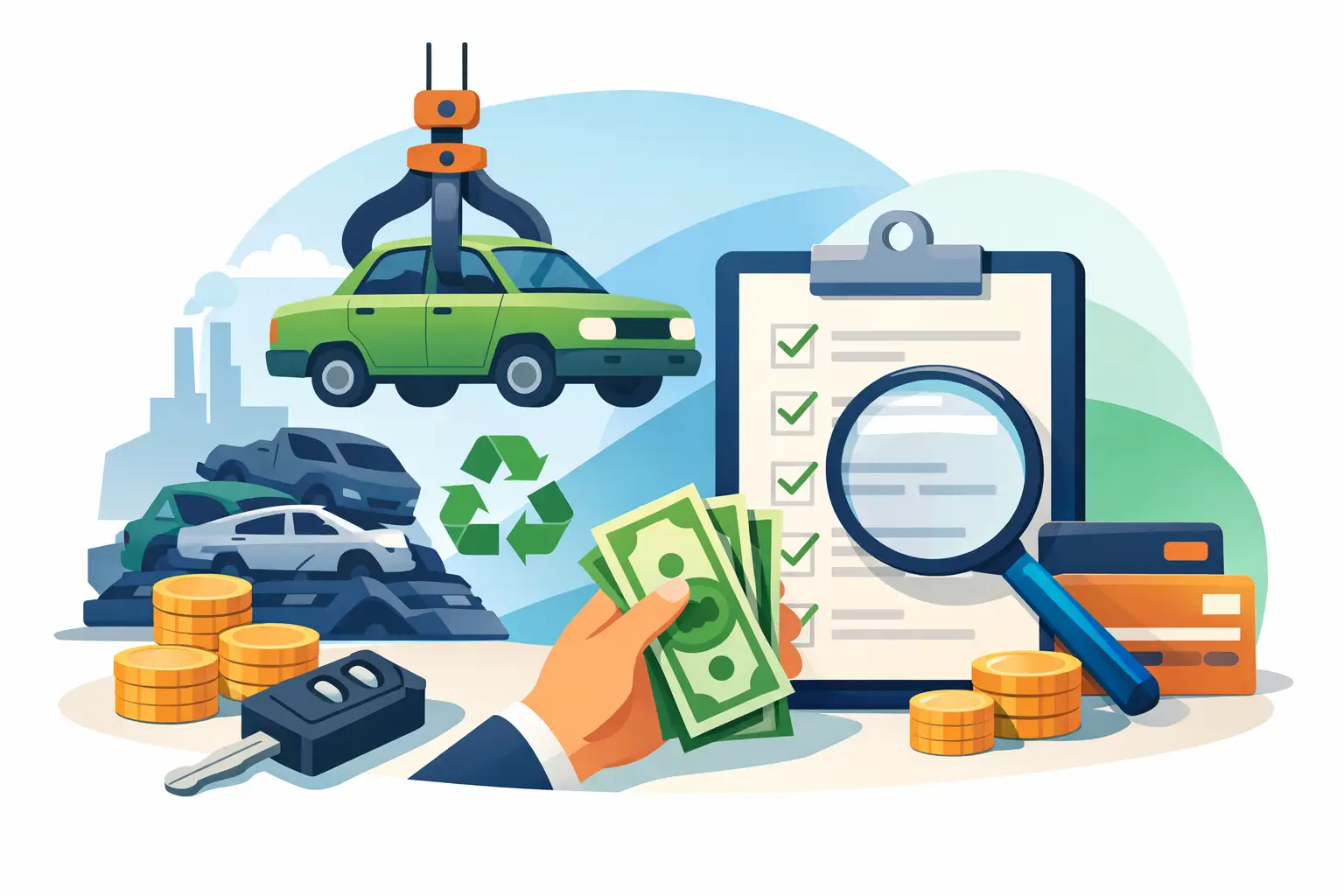
If you have an old or non-running vehicle sitting on the drive, a proper car recycling payment review matters more than most people expect. The headline quote might look fine at first, but what really counts is what lands in your bank, how quickly it arrives, and whether any awkward surprises appear on collection day. For most sellers, the difference between a smooth job and a frustrating one comes down to payment clarity.
That is why it helps to look past the basic promise of “best price” and focus on how the payment process actually works. A fair service should tell you what your car is worth, explain what affects the figure, collect it without adding hassle, and pay you promptly once the vehicle has been checked and removed.
What a car recycling payment review should really cover
A useful car recycling payment review is not just about whether the quote was high or low. It should look at the full chain from valuation to final bank transfer. Some vehicles attract strong offers because of weight, metal value, make, model, age, and demand in the recycling market. Others may be worth less because they are badly damaged, incomplete, or difficult to collect.
The key point is consistency. If you are quoted one amount online or over the phone, you should know exactly what would cause that figure to change. Genuine reasons can include missing major components, severe fire damage, or the vehicle not matching the description provided. What should not happen is a vague quote followed by pressure to accept less when the driver arrives.
A reliable service keeps the process simple. You provide the registration and postcode, answer a few honest questions about the vehicle, book collection, and receive payment by bank transfer. If the car is accurately described, there should be no drama.
What affects your payment amount
The value of a scrap or end-of-life vehicle is rarely random. It is usually based on a mix of market value and practical collection costs. If you are comparing offers, this is where the detail matters.
Metal prices play a part, but they are only one factor. A newer car with reusable value in the recycling chain may bring more than an older vehicle of similar size. A car with alloy wheels, an intact catalytic converter, and a complete engine can also compare better than one that has been stripped, damaged heavily, or left standing for years.
Location can make a difference too, though it should not be used as an excuse for hidden charges. If collection is included, that should be clear from the start. For sellers in and around Peterborough, this matters because many people are dealing with vehicles that cannot be driven and do not want the extra cost or trouble of arranging transport.
Condition is the biggest variable. If a car starts, rolls, steers, and has all its major parts, the quote is often more straightforward. If it has crash damage, missing keys, seized brakes, or flat tyres, it may still be collected and recycled, but the pricing needs to reflect the extra work involved. Honest information upfront protects your payment later.
Why two quotes can be very different
It is common to see one service offer more than another for the same car. That does not automatically mean one is better. Sometimes the higher quote is genuine because the buyer has stronger demand for that type of vehicle. Sometimes it is simply an optimistic figure designed to get the booking.
The better question is whether the quote is realistic and honoured. A slightly lower offer that includes free collection, prompt pickup, and fast bank payment can be better value than a high headline figure that shrinks on the day.
When should you be paid?
In a car recycling payment review, speed of payment is one of the biggest trust signals. Most sellers are not looking to wait several days while someone “processes” the deal. They want to know that once the vehicle is collected and confirmed, the money is sent quickly.
Bank transfer is the normal and compliant payment method. Cash payments for scrap vehicles are not how a professional service should operate. That is actually useful for sellers, because a proper bank transfer creates a clear payment record and gives you confidence that the transaction is being handled properly.
In practice, payment is often made on the day of collection, usually once the driver has checked the vehicle details and the paperwork is in order. Exact timing can vary depending on banking hours and whether the collection takes place on a weekend or bank holiday, but the process should be explained clearly before collection is booked.
If a company is vague about when funds will arrive, that is worth noticing. A trustworthy service does not dodge the payment question.
Signs of a fair payment process
A fair process is usually easy to recognise because nothing feels hidden. The quote is based on the details you provide. Collection arrangements are confirmed. Payment terms are explained before the vehicle is loaded. You know what paperwork is needed, and you are not left chasing updates.
The strongest services are direct about the practical bits. They will tell you if photo checks are needed, whether the V5C is helpful, what happens if you have lost the logbook, and how the vehicle handover works. That level of clarity usually goes hand in hand with reliable payment.
It also helps when the service can collect seven days a week. For many private sellers, especially families juggling work or people with a broken car stuck at home, flexibility matters nearly as much as price. A prompt collection with quick payment often outweighs the hassle of waiting around for a slightly better offer that may never materialise.
Red flags to watch for in any car recycling payment review
The biggest warning sign is a quote that sounds too good with no detail behind it. If there is no clear explanation of what is included, you may be looking at a price that will be revised later.
Another red flag is talk of surprise fees. If collection is not free, that should be stated upfront. If payment depends on conditions, those conditions should be specific. Sellers should not be hearing about admin charges, towing costs, or unexplained deductions after booking.
Poor communication is another issue. If you struggle to get a straight answer before collection, you are unlikely to get one afterwards. The same goes for unclear payment timing or requests for information that keep changing.
Finally, be wary of pressure on collection day. If you accurately described the vehicle and the buyer arrives trying to cut the agreed amount without a valid reason, that is not a payment process built on fairness.
How to protect your final payout
The best way to protect your payout is simple – describe the car honestly. Mention if it does not start, if it has damage, if the keys are missing, or if the tyres are flat. A realistic quote based on accurate details is far more useful than an inflated figure that falls apart later.
It also helps to ask a few direct questions before you confirm the booking. Is collection included? Is the quoted amount the amount paid if the car matches the description? When is the bank transfer made? What documents do you need? Clear answers now save problems later.
If possible, keep a note of the agreed figure and collection details. You do not need a complicated file. Just make sure the quote, date, and payment expectation are easy to refer back to.
For sellers who want the least hassle, a local specialist with a straightforward collection-and-payment process often makes the most sense. Scrap Cars Peterborough, for example, focuses on quick quotes, free collection, fast bank payment, and handling the official side properly, which is exactly what most sellers want when a vehicle has reached the end of the road.
The real measure of a good review
The strongest car recycling payment review is not one that praises the highest quote. It is one that shows the seller got a fair price, the vehicle was collected when promised, and the money arrived without delays or last-minute bargaining. That is the standard worth judging against.
If you are comparing services, keep your eye on the full picture rather than one attractive number. Fair pricing, honest communication, proper paperwork, and quick payment usually tell you more than a flashy quote ever will. When the process is handled properly, selling an unwanted car should feel less like a negotiation and more like one simple job crossed off your list.
Leave a Reply