
May 7, 2026
How to Recycle an Old Car Properly
Learn how to recycle old car the right way in the UK, from quotes and collection to DVLA…
Read article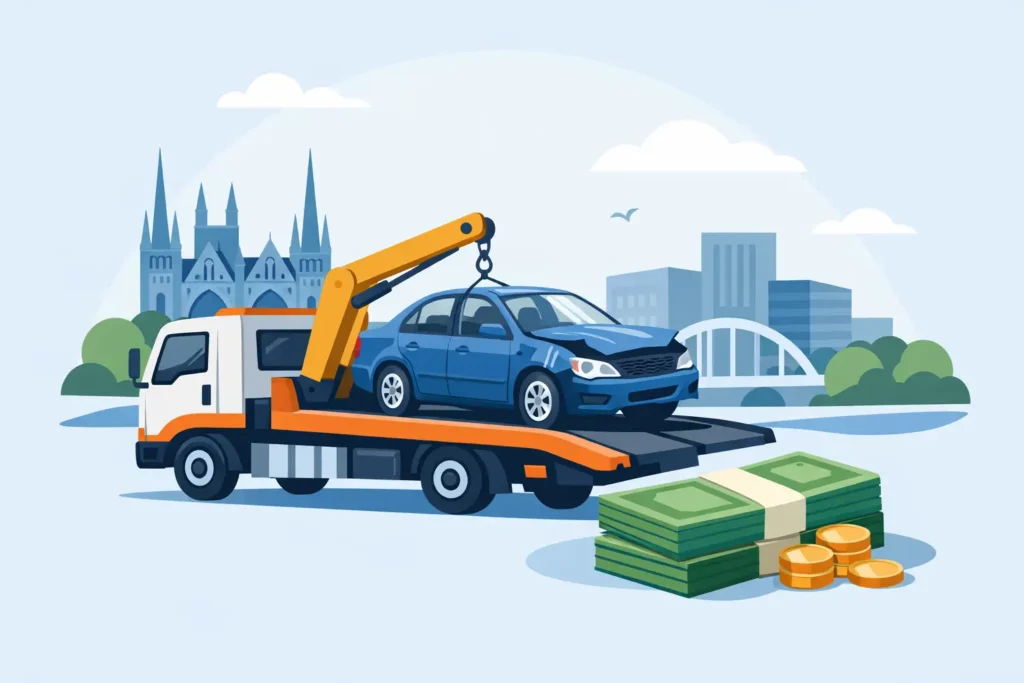
A car that will not start on the drive is already inconvenient. Chasing payment after it has been collected should not be another problem. This guide to scrap car payments explains what you should be paid, when payment should arrive and what to check before handing over your vehicle.
For most owners, the right service is not simply the one offering the highest number on screen. A fair offer, free collection, payment by bank transfer and the correct disposal paperwork need to work together. That is how you turn an unwanted vehicle into a straightforward sale rather than a loose end.
Once you enter your registration and postcode, a buyer can assess the vehicle using its make, model, age, location and current market conditions. You will normally receive a quote, then arrange a convenient collection time. On collection day, the driver checks that the vehicle matches the details supplied, completes the handover and payment is made by bank transfer.
UK rules prohibit cash payments for scrap metal, including scrap vehicles. A legitimate service will not ask to pay you with notes at the roadside. Bank transfer creates a clear record for both sides and is the normal, compliant way to receive your money.
The timing matters. Many reputable collections arrange payment while the driver is present, once the vehicle and documents have been checked. Ask how payment is handled before booking, and make sure you have access to your bank account on the day. If your bank uses app approval or security checks, have your phone charged and ready.
A payment can sometimes take a little longer to appear depending on the banks involved, particularly outside normal banking hours. That said, you should know exactly when the transfer will be sent and what reference to look for. Do not rely on a screenshot alone. Check your own banking app or account before the vehicle leaves where possible.
The value of an end-of-life vehicle changes, sometimes from week to week. Scrap metal prices are one factor, but they are not the only one. The weight of the vehicle, its location, whether it is complete and demand for that type of vehicle all affect the final offer.
A larger vehicle may contain more recoverable metal and therefore attract a stronger price than a small hatchback. However, condition can change the picture. A vehicle that is heavily stripped, missing wheels, has serious fire damage or cannot be safely loaded may cost more to collect and process. Those extra costs can reduce the amount offered.
Catalytic converters, batteries, wheels and other major components also matter because they affect the vehicle’s overall recycling value. Be honest about anything missing when requesting a quote. An accurate description protects you from a surprise reduction at collection and helps the collection team arrive with the right equipment.
Location is relevant too. Free collection is particularly valuable when a car is non-running, uninsured or not roadworthy. There is no need to arrange transport yourself from Peterborough, Stamford, Bourne, Spalding, Wisbech, March, Huntingdon or Corby when a suitable collection can be booked. A clear postcode also allows the buyer to price the collection properly from the outset.
A quick quote should be simple, but the details you provide must be right. Use the correct registration and postcode, then describe the vehicle’s condition plainly. Mention whether it starts, rolls, has inflated tyres, is accessible to a recovery vehicle and still has its key. If it is parked in a tight space, behind a locked gate or on a busy road, say so when booking.
Be wary of an offer that seems unusually high but comes with no clear explanation of collection, payment or conditions. A headline figure is only useful if it is the amount you will actually receive. Confirm whether collection is free, whether there are charges for a non-runner and whether the quoted price assumes the vehicle is complete.
It is reasonable to ask three direct questions before accepting: Is the price guaranteed based on the description provided? When will the bank transfer be made? What paperwork will I receive or need to complete? Clear answers indicate a professional process.
At Scrap Cars Peterborough, the aim is to make this stage quick: quote, agree a collection slot and receive payment without the burden of transporting an unwanted vehicle yourself. The best outcome is a realistic offer from the beginning, not a tempting figure followed by pressure to accept less at the kerbside.
A change is not automatically a red flag. It can be justified if the vehicle differs materially from the information given. For example, the quote may have been for a complete vehicle, but it has no catalytic converter, no battery or major panels missing. Equally, a car described as accessible may be blocked in or unable to roll, requiring different recovery arrangements.
What matters is transparency. The driver should explain the reason for any revised figure before loading the vehicle. You are not obliged to accept a new offer that you do not agree with. If the condition and access details were accurately supplied, there should be no unexpected deductions.
Collection day should feel organised, not rushed. Have your registration details, bank details and photo identification available if requested. Keep your bank account information private apart from the details needed to receive a transfer. You should never need to share your banking password, PIN or security codes.
Before the vehicle is loaded, confirm the agreed amount and the account it will be paid into. Check the registration on the paperwork matches the car being collected. If you have any personal belongings in the glovebox, boot, under seats or door pockets, remove them first. Also clear saved addresses, contacts and phone pairings from the infotainment system where possible.
If the transfer is made while the driver is there, check the amount rather than only looking for a payment notification. Notifications can be delayed and messages can be misleading. Your own account balance or transaction list is the reliable confirmation.
If payment is scheduled for later, get written confirmation of the agreed price, collection date and payment arrangement. Keep the collector’s details and any receipt until the money is in your account and the DVLA notification is complete.
Payment is only one part of disposing of a vehicle properly. You also need to make sure the vehicle is no longer registered in your name. The V5C log book is useful for this, but do not delay telling DVLA that you have transferred or scrapped the vehicle just because you are waiting for a paper document.
The precise notification route depends on who takes the vehicle and how it will be processed. If it is being scrapped through an authorised treatment facility, you should receive a Certificate of Destruction. This is an important record, but it does not replace your responsibility to update DVLA correctly.
Keep a copy or photo of the collection receipt, the payment record and any paperwork you sign. These records provide reassurance if there is ever a question about a parking notice, tax, insurance or the vehicle’s status after collection. You may also be entitled to a refund for any full remaining months of vehicle tax once DVLA has processed the change.
Do not sign blank forms or hand over the vehicle without knowing who is collecting it. A professional service will explain the paperwork in plain language and give you time to check it. If something does not match the agreed arrangement, pause and ask.
The most common mistake is choosing a buyer only on the first price shown. A slightly lower offer that includes free collection, prompt bank payment and proper paperwork can be better value than a higher figure reduced by collection charges or last-minute deductions.
Another is understating the vehicle’s condition to obtain a better quote. It nearly always creates a difficult conversation later. Accurate details lead to an accurate price, particularly where the car is damaged, does not run or has been standing for a long time.
Finally, do not let urgency remove your basic checks. You may need the driveway cleared today, but you still deserve to know the agreed price, the payment method and the disposal route. A good local collection service makes those points clear without making the process slow.
When you are ready to move an unwanted car on, aim for a payment arrangement that is clear before the recovery vehicle arrives. With an honest quote, free collection and a verified bank transfer, the car can leave your property and the money can reach your account without unnecessary chasing.
Ready to get a fair price for your scrap car?
Get a Free Quote
Learn how to recycle old car the right way in the UK, from quotes and collection to DVLA…
Read article
Learn the best ways to scrap car legally in the UK, avoid common mistakes, handle DVLA paperwork properly…
Read article
A car scrappage company review should focus on price, collection, paperwork and payment. Here's what to check before…
Read article