
June 4, 2026
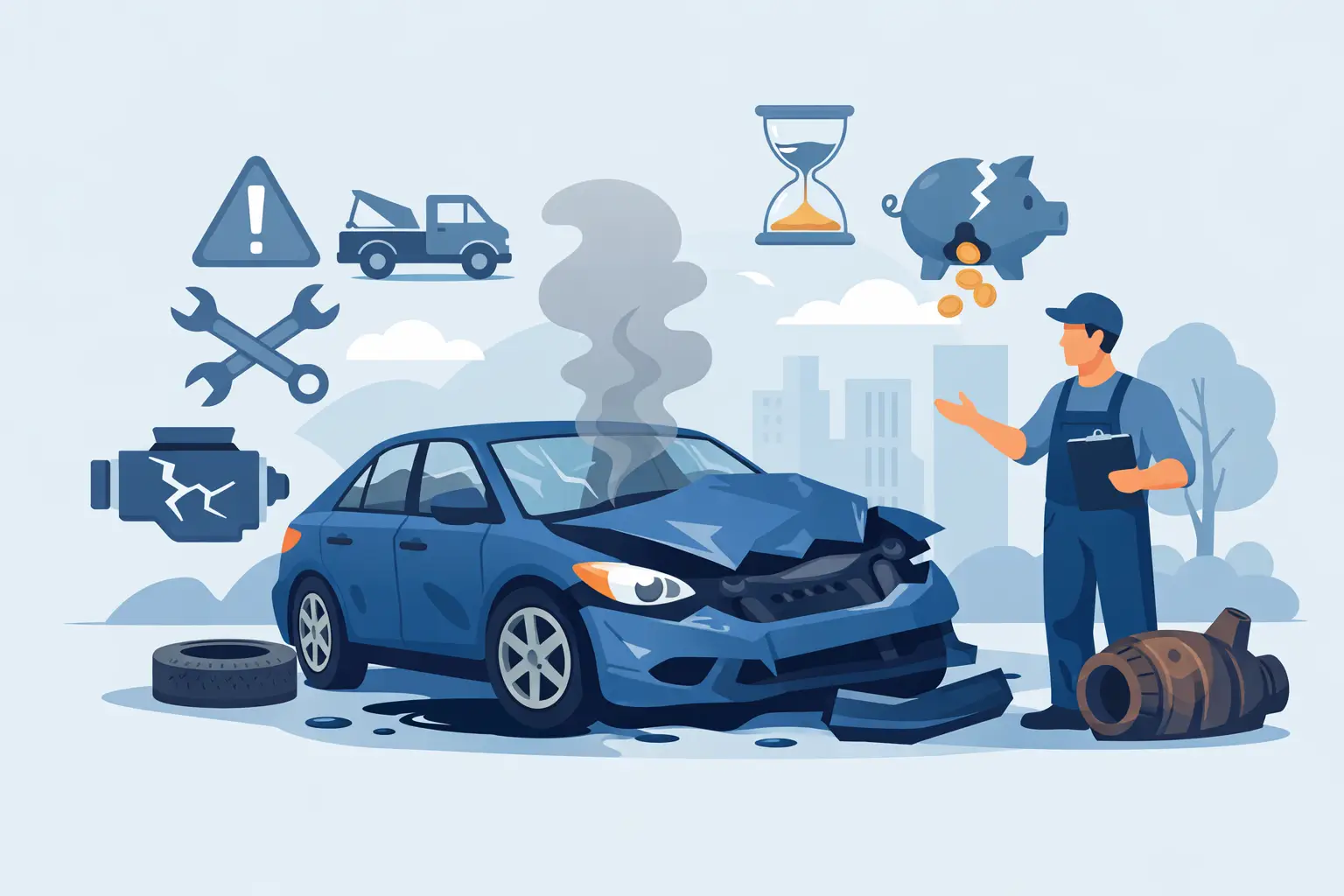
9 Signs Your Car Is Beyond Repair
Learn the key signs your car is beyond repair, from major engine failure to rust and repair costs…
Read article
A quote that looks strong online can change quickly if the vehicle details are wrong. That is exactly why a scrap quote accuracy guide matters. If you want a fair price for your car and a smooth collection, the small details you enter at the start make a real difference.
For most sellers, the goal is simple. You want a price that reflects the vehicle properly, collection arranged without hassle, and payment made promptly. The easiest way to get there is to understand what affects a scrap quote and what information needs to be accurate from the first enquiry.
A scrap car quote is based on the information available at the time. If the registration, postcode, vehicle condition or missing items are not described properly, the quote may not match the actual car when it is collected. That can lead to delays, revised pricing or extra back-and-forth that nobody wants.
Accuracy protects both sides. For the seller, it means fewer surprises on collection day and a better chance of securing the right value early. For the buyer, it means they can allocate the right collection vehicle, plan transport properly and price the car against current market conditions.
It also helps if your car is non-runner, accident-damaged or incomplete. These vehicles can still receive good offers, but only when their condition is presented clearly. A vague quote request often produces a broad estimate. A detailed one is far more likely to hold up.
The registration number is the starting point, but it is not the full picture. It helps identify the make, model, age and engine type, yet scrap value is also shaped by condition, weight, location and whether the vehicle is complete.
A car with major accident damage, fire damage or flood damage may need different handling from a standard end-of-life vehicle. That affects collection and processing costs. Likewise, if the car has been sitting unused for months and no longer starts, that changes the logistics even if the registration details are correct.
Your postcode matters as well. Collection distance and route planning can influence the final offer, especially for vehicles in awkward locations or places with restricted access. A car parked on a driveway is simpler to collect than one boxed into a tight underground bay or left at the roadside with flat tyres.
Then there is the question of completeness. Scrap quotes are often stronger when the vehicle is substantially complete. If major components are missing, the buyer needs to account for reduced value and a different recycling return. This does not mean you cannot sell the vehicle. It simply means honesty at quote stage gives you a more dependable figure.
The best quote requests are straightforward and factual. Start with the registration and postcode, then check whether the basic vehicle record matches what is actually in front of you. If the engine has been changed, the car has serious body damage, or it has not run for a long time, say so early.
It is also worth confirming whether the vehicle rolls freely and whether all four wheels are fitted. Collection teams need to know if specialist loading is required. The same applies if the steering is locked, the handbrake is seized, or the car is stored somewhere with limited access.
Paperwork can help too, although you usually do not need to gather a stack of documents before asking for a quote. What matters most is being clear about ownership and being ready to complete the official handover correctly. If there is anything unusual about the logbook or the vehicle status, mention it from the outset.
Photos are useful when there is significant damage. They can prevent avoidable disputes and help confirm that the quoted price reflects the actual condition. This is especially helpful for insurance write-offs, heavily dented cars and vans that have been off the road for some time.
The most common problem is not dishonesty. It is assumption. Sellers often think a detail is too minor to mention, only to find it affects the quote later. A missing catalytic converter, severe side impact, stripped interior or failed engine can alter value more than many people expect.
Another issue is describing a car as starting when it only started a few weeks ago. If it now needs a jump pack, has a dead battery, or will not move under its own power, that needs to be stated. Collection planning depends on it.
Location issues also catch people out. If the vehicle is in a multistorey, on grass, facing the wrong way on a narrow lane, or blocked in by other cars, collection may take longer or require a different vehicle. Again, this does not stop the sale. It just needs to be factored in properly.
Timing can play a part as well. Scrap prices can move with market demand. A quote offered one day may not stay available indefinitely. That is normal. The practical way to avoid disappointment is to book promptly once you are happy with the figure.
You do not need technical knowledge to get this right. In most cases, a few accurate details are enough. Be clear about whether the car starts, whether it drives, whether it is complete, and what obvious damage is present. If something major has happened to the vehicle, say it plainly.
Try not to guess. If you are unsure whether an item is missing or whether the car will start, check before requesting the quote if you can do so safely. A quick look now can save a longer conversation later.
It also helps to be realistic about condition. Many owners describe a vehicle as old but tidy when it is actually a non-runner with body damage and warning lights across the dash. There is no benefit in dressing it up. A proper scrap buyer is used to damaged and end-of-life vehicles. Clear information is more valuable than optimistic wording.
This is one of the key points in any scrap quote accuracy guide. A very high initial price can look attractive, but it only helps if it is genuine and sustainable. If the figure depends on incomplete information, you may end up with less certainty rather than more money.
A fair quote based on honest details is often the better result. It tends to mean fewer changes, quicker booking and a simpler handover. For sellers who want the vehicle gone without stress, that reliability matters.
Service makes a difference too. Free collection, fast bank payment and help with official paperwork all have real value when you are dealing with an unwanted vehicle. A quote should be considered as part of the full process, not as an isolated number on a screen.
A good service should make things easy from the first enquiry. You provide the registration, postcode and condition, receive a quote based on those details, then choose a collection slot that works for you. If anything changes before collection, you update the buyer so the booking stays accurate.
On the day, the handover should be straightforward. The collection team confirms the vehicle, loads it safely and completes the required process correctly. Payment should be prompt and the paperwork handled clearly, so you know the vehicle has been disposed of properly.
That is especially important if you are trying to move on quickly from a breakdown, failed MOT or accident-damaged car. The best experience is not just about speed. It is about speed with clarity.
For owners in and around Peterborough, that local responsiveness can make a practical difference. If your car is stuck at home, on a work site or at a garage, you want a service that can price it fairly, collect it without fuss and keep the process moving.
If you want the strongest chance of a quote that holds up, give accurate details from the start and do not leave out the awkward bits. Say if the car is a non-runner. Say if there is serious damage. Say if access is tight. These details do not ruin your chances of selling. They improve the chances of receiving a realistic offer that can actually be honoured.
That is how a fast quote stays a useful quote. And when the information is right, the rest of the process usually follows without the stress people expect from getting rid of an old or damaged car.
If your vehicle is ready to go, a clear quote request is the quickest step towards getting it collected, paid for and properly taken off your hands.
Ready to get a fair price for your scrap car?
Get a Free Quote
Learn the key signs your car is beyond repair, from major engine failure to rust and repair costs…
Read article
A clear vehicle scrappage process guide for UK car owners. Learn quotes, collection, paperwork and payment so you…
Read article
Scrap car vs trade in - find out which option pays more, saves time, and suits your vehicle…
Read article