
May 6, 2026
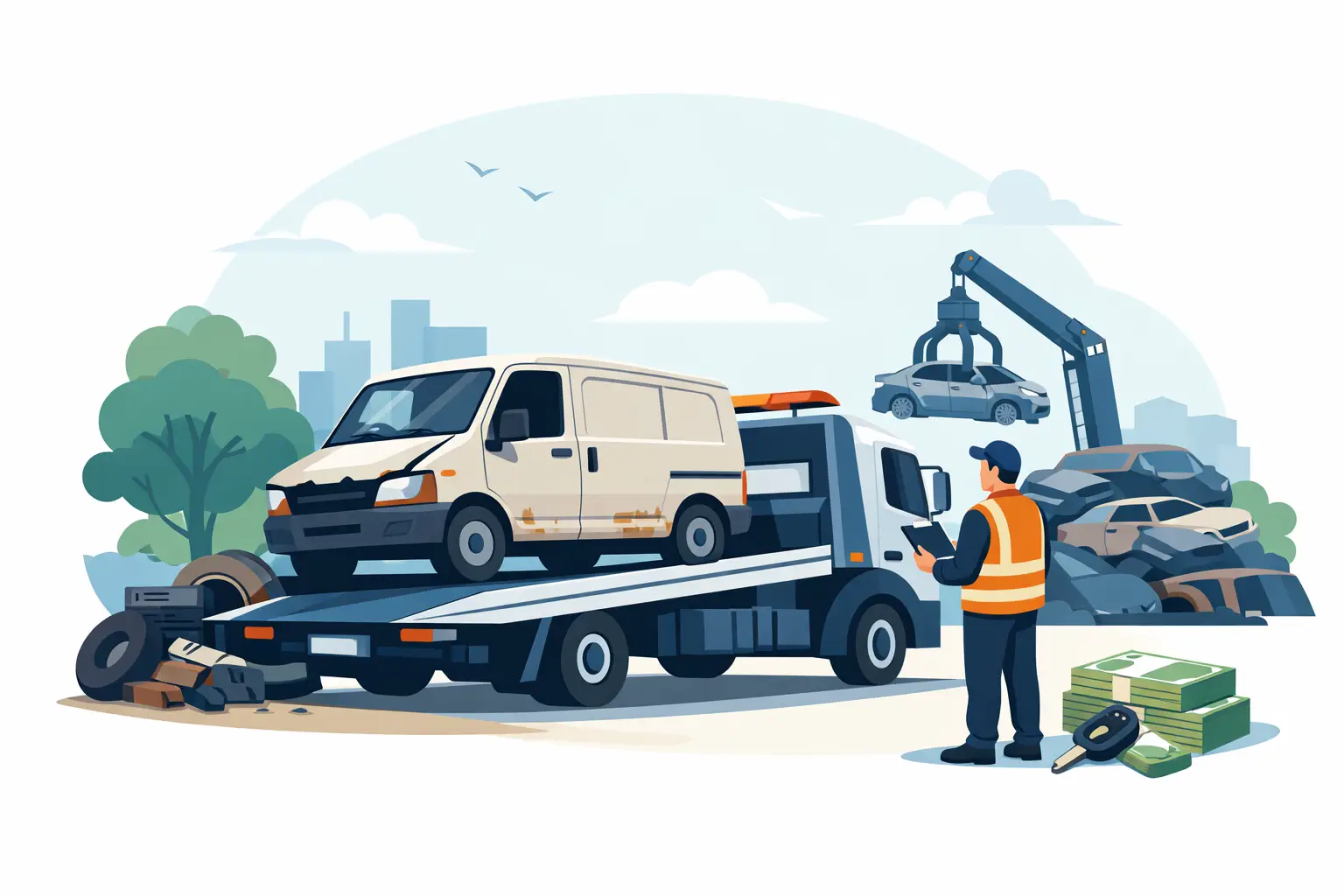
Scrap Van Collection Service Explained
Need a scrap van collection service? Learn how collection, pricing, payment and paperwork work for damaged, non-running and…
Read article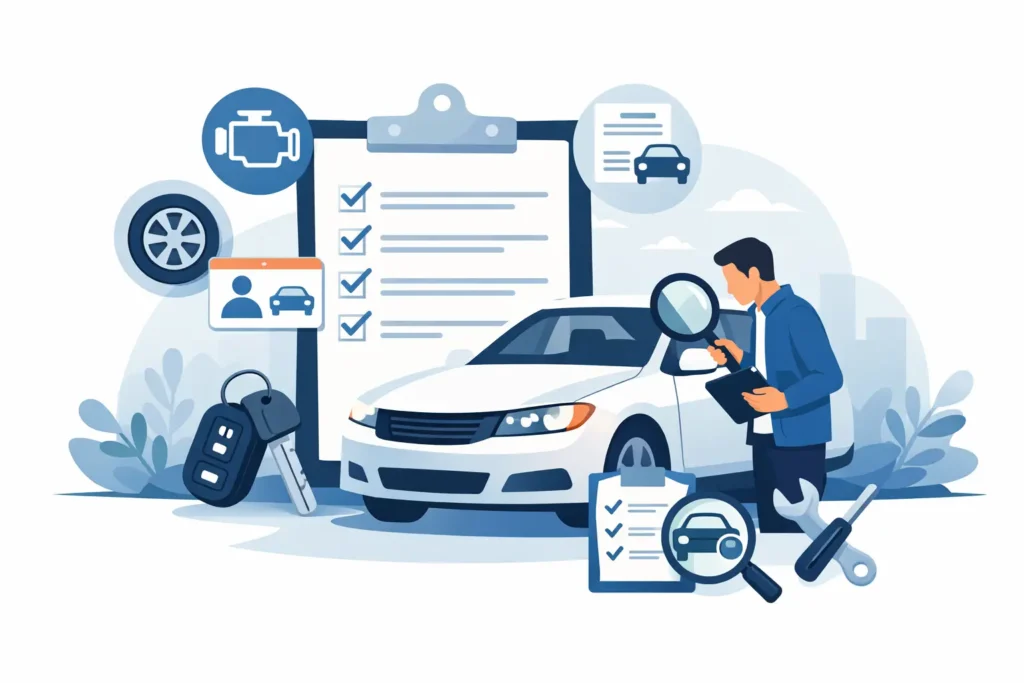
A car that will not start on the drive is not just an inconvenience. It can mean missed appointments, worries about recovery costs and the question of whether anyone will actually collect it without adding a surprise charge. A free vehicle collection review should look beyond a promised collection and focus on what happens from quote to payment and paperwork.
For owners of unwanted, accident-damaged and end-of-life vehicles, the right service removes the vehicle properly, pays the agreed amount promptly and gives you a clear route to complete the official steps. That is what makes collection genuinely hassle-free.
Free collection should mean there is no separate fee to collect a vehicle from your home, workplace, garage or roadside location, provided the details supplied are accurate and access is practical. It is particularly valuable when the car is untaxed, uninsured, non-running or unsafe to drive. You should not have to arrange a tow or risk taking an unroadworthy vehicle onto the road just to dispose of it.
That said, free collection is not a reason to ignore the small print. The quoted value may depend on the vehicle being complete, the registration matching the vehicle, and you honestly describing its condition. If a car has major missing items, severe fire damage, inaccessible wheels or is parked where a recovery vehicle cannot reach it, tell the collector before booking. A professional service will explain whether this changes the offer or collection arrangements before anyone arrives.
The best test is simple: ask whether collection is included in the price quoted and whether any circumstances could alter the payment. A clear answer is a good sign.
A quick online quote is useful, but a strong offer is only one part of the decision. Before accepting, check these practical points:
These checks take only a few minutes, but they prevent the usual frustrations: a collector arriving late, a quote being reduced without a proper reason, or uncertainty over who is responsible for the vehicle after it leaves.
Most sellers want the best possible scrap value. That is reasonable, especially if a vehicle still has value despite being old, damaged or unable to pass an MOT. However, the highest number on a screen is not always the strongest deal if it is vague about collection, payment or changes on arrival.
A dependable quote should be based on real details. Give the registration and postcode, then be upfront about accident damage, missing wheels, a flat battery, keys, whether the vehicle rolls, and where it is parked. This allows the right collection vehicle to be sent and reduces the chance of a dispute at the kerbside.
It also helps to know why prices vary. Vehicle weight, current metal markets, location, make, model and the condition of the vehicle can all affect the amount offered. Quotes may change as market prices move, so check how long an offer is valid for rather than assuming it will remain open indefinitely.
At Scrap Cars Peterborough, the aim is to make that process straightforward: provide the registration and postcode, receive a clear quote, then arrange collection at a convenient time. For customers, the key benefit is not merely getting a number quickly. It is knowing what that number covers.
For scrap vehicles, payment by bank transfer is the normal, secure approach. It leaves a clear record and means you are not left handling cash or waiting days for a cheque. Ask when the transfer will be made. Some services pay on collection, while others process payment once the vehicle has been checked and loaded. Either approach can work, provided it is explained in advance.
Make sure the bank account details are correct before the collection vehicle arrives. If the registered keeper and the account holder have different names, mention it when booking so there is no delay. Keep any confirmation message or payment record until the transfer is complete.
Be cautious if a collector will not confirm the payment method, refuses to discuss the agreed price, or pressures you to hand over the vehicle before explaining the next step. A professional collection should feel organised, not rushed.
The vehicle may be off your property after collection, but you still need to make sure the records are right. The registered keeper is responsible for notifying the DVLA when a vehicle is sold, transferred or scrapped. Do not assume somebody else will automatically do this for you.
Have the V5C log book available if you have it. If it is missing, that does not always prevent collection, but you should say so before booking and follow the correct DVLA process. Remove personal belongings from the vehicle as well. Check the glove box, door pockets, boot, under-seat storage and any phone connections or navigation data before the collector arrives.
Depending on the vehicle and the disposal route, you may receive formal confirmation that it has been handled through an authorised facility. Ask what paperwork or confirmation you should expect, and retain it with your payment record. This protects you if questions arise later about tax, insurance, parking penalties or the vehicle’s status.
A good collection experience is usually uneventful. You agree a time window, make the vehicle accessible, show the requested documents and receive confirmation of the handover. But a little preparation keeps it that way.
If the car is parked on a narrow street, behind another vehicle or in a garage with restricted access, mention this when arranging the collection. A non-runner on a busy road may need different equipment from a vehicle sitting on a private drive. The more accurate the information, the more likely the first visit will go to plan.
You do not need to spend money making a scrap vehicle presentable. There is no value in repairing it simply to arrange collection. Just make sure it can be safely accessed, remove valuables and be honest about its condition. If you cannot be present, ask whether another adult can hand over the vehicle and what they will need from you in advance.
A national-looking quote is not much use if collection is several days away or the provider cannot reach your location. For a broken-down car taking up space, speed often matters as much as price. Local coverage means collection can be arranged without asking you to transport a vehicle that is no longer fit to drive.
In Peterborough and surrounding places such as Stamford, Bourne, Spalding, Wisbech, March, Huntingdon and Corby, check that the service covers your postcode before accepting the quote. If you need a weekend or bank holiday appointment, say so at the start. Flexible booking can be the difference between leaving a vehicle where it is and resolving the problem quickly.
A fair free collection service is easy to recognise. It gives you a realistic quote, explains the conditions, turns up as arranged, pays by bank transfer and supports the paperwork. Choose the provider that is clear before collection day, and handing over an unwanted vehicle becomes one less thing to chase.
Ready to get a fair price for your scrap car?
Get a Free Quote
Need a scrap van collection service? Learn how collection, pricing, payment and paperwork work for damaged, non-running and…
Read article
Need quick car removal Peterborough drivers can rely on? Get a fast quote, free collection, quick payment and…
Read article
Need to scrap your car in Huntingdon? Get a fair quote, free collection, quick bank payment and paperwork…
Read article