
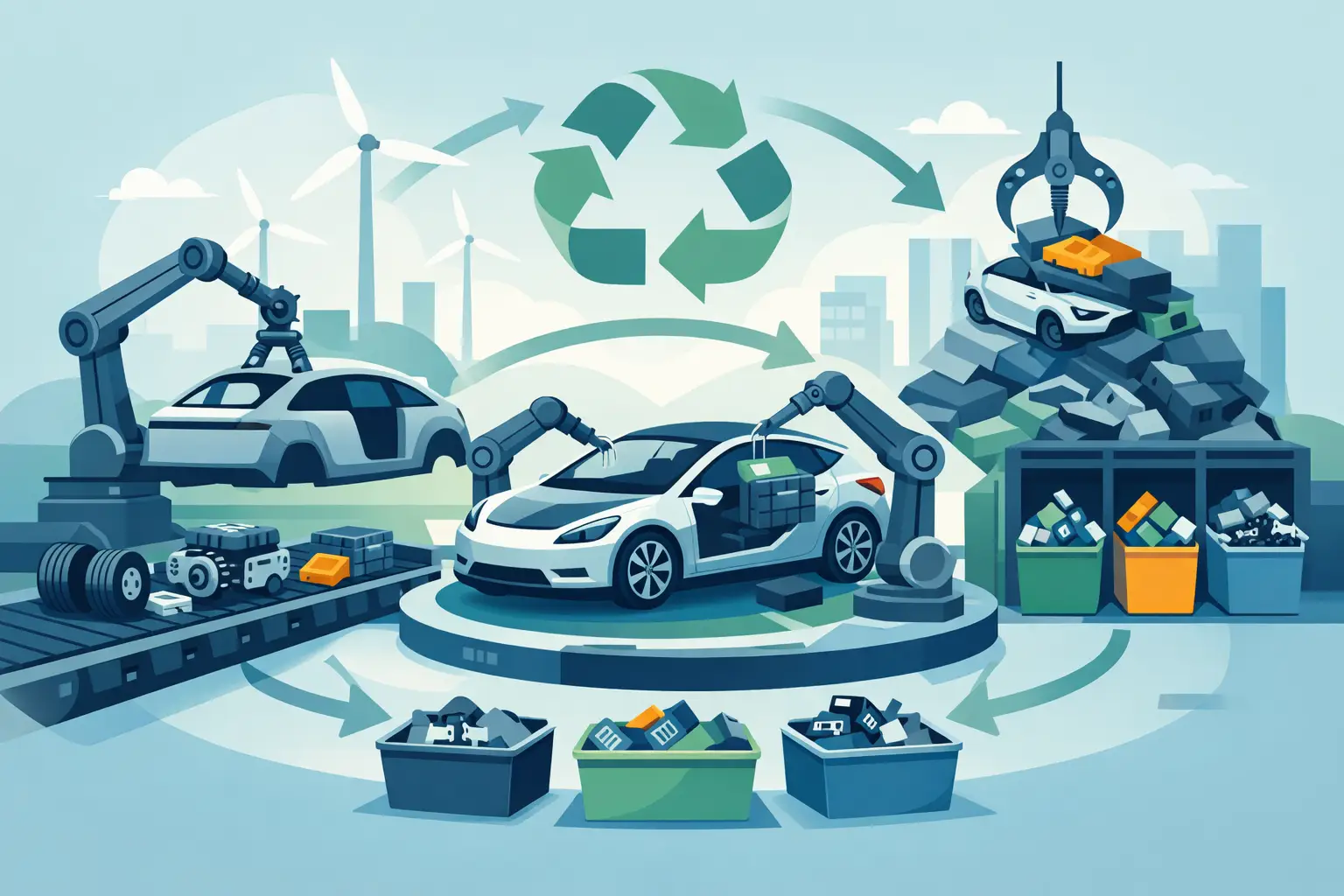
A scrap car used to be a fairly simple job. Drain the fluids, remove the battery, strip out reusable materials, crush the shell and send the metal on. The future car recycling process is not that simple, because the cars themselves are no longer simple. Modern vehicles carry more electronics, more mixed materials, more sensors and, increasingly, high-voltage battery systems that need specialist handling.
For car owners, that changes what matters when it is time to get rid of an unwanted vehicle. Price still matters, of course, but so do compliance, safe collection and proper paperwork. If a car no longer runs, has battery damage, or contains more advanced systems than older models, you want a recycler who can handle the vehicle properly from collection through to final processing.
Why the future car recycling process is changing
The biggest reason is vehicle design. Cars are getting heavier in electronics and lighter in some structural materials. Steel still plays a major role, but aluminium, plastics, composites and specialist alloys now appear in far greater volumes than they did even ten years ago. Electric and hybrid vehicles add another layer, with battery packs, inverters, high-voltage cabling and thermal management systems all requiring separate treatment.
Regulation is another driver. In the UK, end-of-life vehicle handling has long been shaped by environmental rules, but expectations are rising. Recycling is no longer just about taking bulk metal out of a shell. It is about recovering more material, reducing waste, and keeping hazardous elements out of the wrong waste stream. That means tighter processes, better traceability and more specialist equipment.
There is also a commercial angle. Recyclers have more reason than ever to recover value from different materials. When recovery technology improves, more of the vehicle can be reused or recycled rather than treated as residue. That can support better returns across the chain, although the exact scrap value for the owner will still depend on the make, model, weight, condition and current market prices.
What the future car recycling process will look like
The basic journey will still feel familiar to the vehicle owner. You get a quote, arrange collection, provide the necessary details and hand the car over. Behind the scenes, though, the process is becoming more technical.
Collection and initial assessment
The first stage is likely to become more data-led. Recyclers already identify a vehicle using its registration and official records, but future systems will get better at flagging what type of battery it has, whether it contains high-voltage components, and what handling steps are needed before transport or dismantling.
For non-runners, this matters. A damaged electric car cannot simply be treated like an old petrol hatchback. If there is impact damage near the battery pack, signs of thermal risk or uncertainty about the electrical condition, trained teams need to manage it correctly. That is one reason collection by a professional operator is often the safest option.
Depollution will become more specialised
Depollution has always been a core step. Fuel, oil, coolant, brake fluid and other substances must be removed before further processing. In the future, this stage becomes more detailed rather than less.
Electric vehicles replace some traditional fluids with new risks. Battery cooling systems, specialised lubricants and high-voltage isolation procedures need careful control. Hybrids add complexity because they combine conventional engine systems with electric components. The skill level required is higher, and that is likely to keep increasing as newer vehicles reach end of life.
Battery handling will be central
Battery treatment is probably the single biggest shift in the future car recycling process. With electric cars, the battery is not just another component. It is the most sensitive, regulated and valuable part of the vehicle.
Not every end-of-life battery goes straight to material recycling. Some may be assessed for second-life applications, depending on condition, chemistry and age. Others will be dismantled so valuable materials such as lithium, nickel, cobalt and copper can be recovered. It sounds straightforward, but it depends heavily on battery design. Some packs are easier to disassemble than others, and poor access can slow the whole operation down.
That is one of the trade-offs in modern vehicle design. Manufacturers build for performance, safety, range and cost. Recyclability does not always come first. Over time, pressure from regulators and the market should improve that, but for now, some vehicles are simply more recycling-friendly than others.
More materials, more sorting, better recovery
Older scrappage models relied heavily on ferrous metal recovery. That is still important, but future operations will depend on better sorting and cleaner separation across many material streams.
Aluminium recovery is already valuable, and plastic separation will become more important as technology improves. The challenge is that plastics in vehicles are varied. Different grades, fillers, adhesives and mixed assemblies can make clean recovery difficult. If the material is contaminated or hard to separate, the economics become weaker.
Glass, textiles, rubber and electronic waste also need more attention. Vehicles now contain infotainment units, cameras, control modules and sensors that were barely a consideration in older scrap flows. Each of these adds processing needs. That does not mean recycling becomes less efficient overall, but it does mean the easy days of treating every end-of-life car as mostly metal are gone.
The role of automation
Automation will help, particularly in sorting and dismantling support. Advanced scanning, robotics and material identification systems can improve recovery rates and reduce contamination. In theory, that means more value can be extracted from each vehicle.
In practice, it depends on scale. Large facilities may invest sooner because they process enough volume to justify the cost. Smaller operators may continue relying on skilled manual work for longer. So while the direction is clear, adoption will not happen evenly across the sector.
Data, electronics and privacy
One issue many car owners do not think about is digital data. Newer vehicles store more information than people realise, from navigation history to paired phone details and account settings. As connected features become more common, data handling becomes part of responsible vehicle disposal.
This is another area where the future process will need to tighten. A compliant operator should not just move the vehicle on quickly. There should also be proper procedures around handling onboard electronics and, where relevant, wiping or securing stored user data. For most private sellers, that reassurance matters, especially if the vehicle has been used by a family over several years.
What this means for UK drivers scrapping a car
For the average owner, the biggest change is not that scrapping a car becomes harder. It is that choosing the right service matters more. If your vehicle is older, damaged, non-running or electrically complex, you need a process that covers safe removal, official paperwork and compliant recycling without leaving you to sort the difficult bits.
That is where convenience and proper handling meet. A fast quote is useful, but it is only one part of the job. Collection is just as important when the car is stuck on a drive, parked at a garage or not fit for the road. Payment speed matters too, especially when you want the matter dealt with promptly and do not want weeks of delay.
Drivers in and around Peterborough are often looking for exactly that – a fair price, free collection and a straightforward handover. The detail behind the scenes may be getting more technical, but the customer experience should still feel simple. If anything, the better the recycler, the less you should have to think about the complexity.
Will the future car recycling process increase scrap values?
Sometimes yes, but not always. Better recovery methods can improve the total value available in an end-of-life vehicle, particularly for metals and battery materials. However, more specialised handling also brings extra labour, equipment and compliance costs.
So the outcome depends on the type of car. An electric vehicle with a recoverable battery may hold stronger underlying value than a very old petrol car with little material worth beyond its shell. On the other hand, a badly damaged EV may cost more to process safely, which can affect the final offer. There is no single rule that every future scrap car will be worth more.
That is why vehicle-specific quotes remain important. The registration, condition and location all still matter, even as the industry evolves.
The practical takeaway for car owners
If your car is nearing the end, the main thing to look for is not flashy language. It is a service that can collect promptly, pay quickly, handle the paperwork properly and pass the vehicle into a compliant recycling chain. As cars become more complex, that professional handover matters more, not less.
At Scrap Cars Peterborough, that is exactly the sort of process people want – simple on the surface, properly managed underneath. You should not need to worry about towing, chasing buyers or guessing what happens next. Whether the vehicle is a worn-out diesel, an accident-damaged hybrid or a non-runner that has been sitting for months, the right recycling route should feel clear from the first quote to the final collection.
Cars are changing quickly, and recycling is changing with them. For owners, the best result is still the same: a fair deal, no hassle, and the confidence that the vehicle is being dealt with the right way.
Leave a Reply