
May 3, 2026
How to Scrap an Abandoned Vehicle
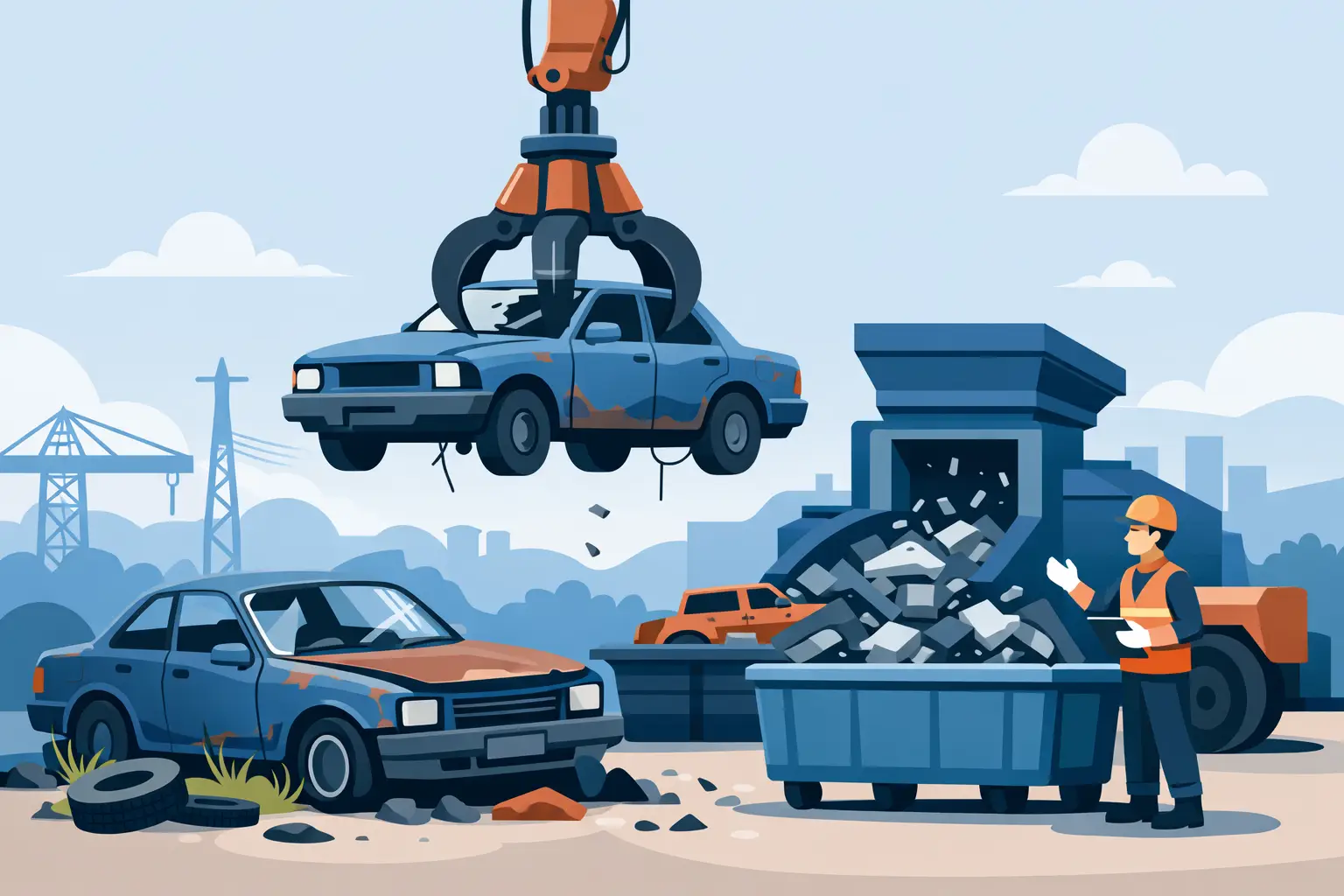
Learn how to scrap abandoned vehicle legally in the UK, including checks, DVLA steps, collection, payment and when…
Read article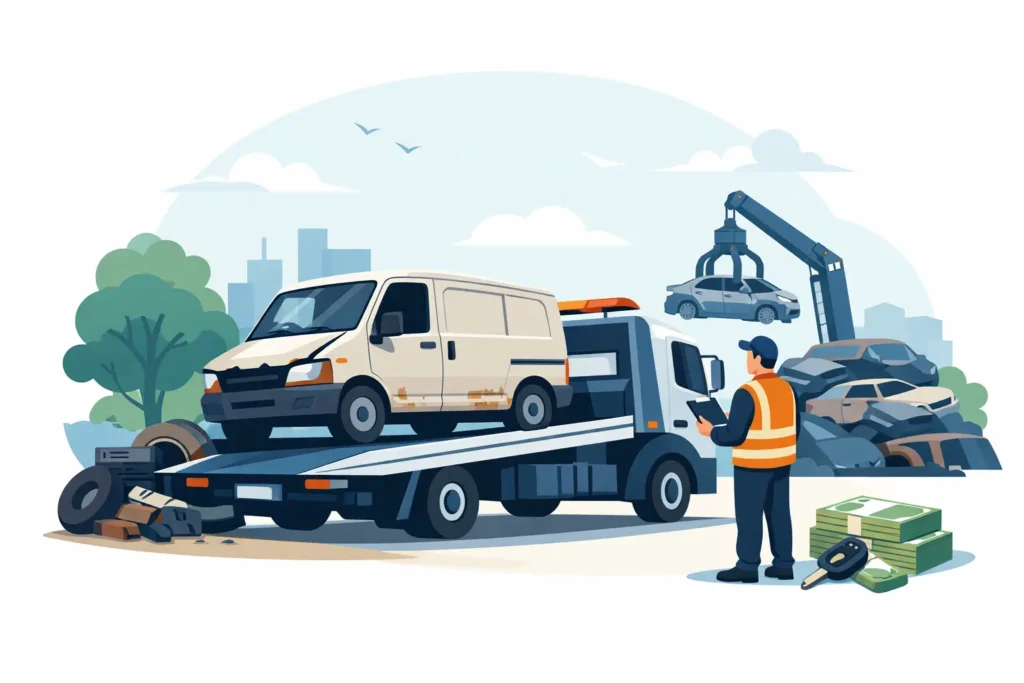
A van that will not start is awkward enough. A van with failed MOT work, accident damage or a seized engine usually becomes a bigger problem by the day – taking up space, costing money and leaving you to figure out how to move it. That is where a scrap van collection service makes sense. Instead of arranging recovery, chasing buyers or guessing what paperwork matters, you get a clear price, a booked collection and the vehicle taken away properly.
For most owners, the main question is not whether the van has reached the end of the road. It is how to get rid of it without wasting more time or money on it. That is especially true if the van is non-running, uninsured, parked off-site or simply not worth repairing. A good service removes those sticking points quickly.
At its simplest, a scrap van collection service buys an unwanted van and collects it from your home, workplace, garage or roadside location. The van is valued based on its age, make, model, condition, weight and current scrap market demand. If the quote works for you, collection is arranged and payment is made by bank transfer.
That sounds straightforward because it should be. The point of the service is convenience. You should not have to organise a tow, deliver the van yourself or spend days answering messages from private buyers who disappear as soon as they hear the van does not run.
The better services also help with the official side. That includes confirming what details are needed from the V5C logbook, checking collection details and making sure the vehicle goes into the proper recycling process. If you have never scrapped a van before, that support matters.
There are times when a private sale still makes sense. If the van is in decent condition, has a long MOT and only needs minor cosmetic work, selling it normally may bring more money. But once repairs become expensive, the numbers often stop adding up.
If your van has engine failure, gearbox problems, serious rust, flood damage, accident damage or electrical faults, buyers become harder to find and more likely to haggle. The same goes for vans that have been standing unused for months. In those cases, collection is often the cleaner option because the service is built around vehicles that are no longer practical to sell on.
The same applies if the van is simply too inconvenient to move. A non-runner on a driveway is one thing. A dead van in a works yard or parked outside a property with no tax or MOT is another. Collection saves the owner from arranging transport separately, which is often where extra costs creep in.
Many owners assume a scrap van is worth little more than raw metal weight. Sometimes that is close to the mark, but not always. A realistic quote usually reflects more than just metal value. Make, model, age, mileage, demand and condition all affect the figure.
Larger vans can carry decent weight value, but severe damage can reduce what a buyer is willing to pay. On the other hand, a complete van with expected wear and tear may achieve a stronger offer than owners expect. Diesel vans, popular commercial models and vehicles with reusable value in the wider recycling chain may also attract better prices.
That is why one fixed price for every scrap van does not make sense. It depends on the vehicle. It also depends on whether it is complete, whether key components are still fitted and how easy collection will be. Honest details at the quote stage usually lead to a smoother collection and no last-minute disagreement.
A proper scrap van collection service should feel simple from the start. You provide the registration and postcode, then basic details about the van’s condition. If the quote is accepted, a collection slot is arranged around your availability.
In practical terms, most people want three things. They want to know when the driver is coming, when they will be paid and what they need to have ready. That is where a professional service stands out. Clear communication matters just as much as the quote itself.
On collection day, the driver checks the vehicle details and loads the van if it cannot be driven. In many cases, free collection is the difference between a decent deal and a frustrating one. If you had to pay separately for recovery, the value of scrapping the van could drop sharply.
For owners in and around Peterborough, especially those with non-runners stuck at home or work, local collection coverage makes the whole process more practical. You are not trying to source recovery one day and disposal the next. It is handled in one go.
Paperwork puts people off scrapping a vehicle more than it should. Most of the worry comes from not knowing what is needed and whether the process will be done properly.
If you have the V5C, that helps, but it is not always a deal-breaker if you do not. The key point is that the vehicle must be handled through the proper channels and that the change in status is recorded correctly. A reliable service will explain what to do, what information is needed and what happens after collection.
That matters because the job is not finished just because the van has left your property. You want confidence that the disposal is compliant and that you are not left dealing with avoidable problems later. Straight answers and proper handling are part of the service, not an optional extra.
Once a van reaches the point where it is not worth keeping, delay rarely helps. Insurance, parking issues, repair estimates and simple inconvenience all keep ticking along. If the van is parked somewhere awkward, every extra day becomes more of a nuisance.
This is where a fast quote-and-collection model works well. You can move from enquiry to collection quickly, often without needing to spend your week chasing updates. For many private owners, that is the real value. It is not just about the money. It is about getting the problem sorted without dragging it out.
Scrap Cars Peterborough works in that practical way because most customers are not looking for a long process. They want a fair offer, a collection date that suits them, quick payment and confidence that the paperwork is being handled properly.
Not every service is equally straightforward. Some look attractive at quote stage and become less appealing when fees, delays or vague communication start to appear. It is worth checking a few basics before agreeing.
The first is whether collection is genuinely included. The second is whether bank payment is made promptly. The third is whether the service is comfortable collecting non-runners, damaged vans and end-of-life vehicles rather than only easy cases. If a company is unclear on any of that, expect friction later.
It also helps to look for a service that explains the process plainly. You should know what information is needed, whether the van needs to be accessible, and what happens if you have lost paperwork or the van is in poor condition. Straightforward answers are usually a sign of an operation that does this every day.
A scrap van collection service is often used after a failed MOT with a repair bill that makes no sense. It is also common after accident damage, breakdowns that leave the van immobile, or long periods off the road where the vehicle has simply deteriorated.
Sometimes the issue is not dramatic at all. The owner has bought a replacement van and the old one is still sitting there, unused and taking up room. In that case, collection is less about urgency and more about making space and drawing a line under a vehicle that has had its time.
There is also the situation where someone inherits a van or is left to deal with one on behalf of a family member. They may have no interest in repairing it or advertising it privately. A clear, managed service is usually the easiest way forward.
Scrapping a van is not always the highest possible value route. If the vehicle can be repaired cheaply and sold privately, that may bring in more. But that route also comes with effort, uncertainty and delay. You may spend money preparing the van and still end up negotiating with unreliable buyers.
Collection works best when convenience, speed and certainty matter more than chasing every last pound. For many owners, that is a sensible trade. Once a van is clearly at the end of its useful life, paying for storage, recovery or repeated repairs usually makes less sense than getting it collected and paid for properly.
If your van is unwanted, damaged or no longer worth fixing, the right service should make the next step easy. A fair quote, free collection, quick bank payment and help with the paperwork can turn an awkward vehicle problem into one simple job – and that is usually exactly what people need.
Ready to get a fair price for your scrap car?
Get a Free Quote
Learn how to scrap abandoned vehicle legally in the UK, including checks, DVLA steps, collection, payment and when…
Read article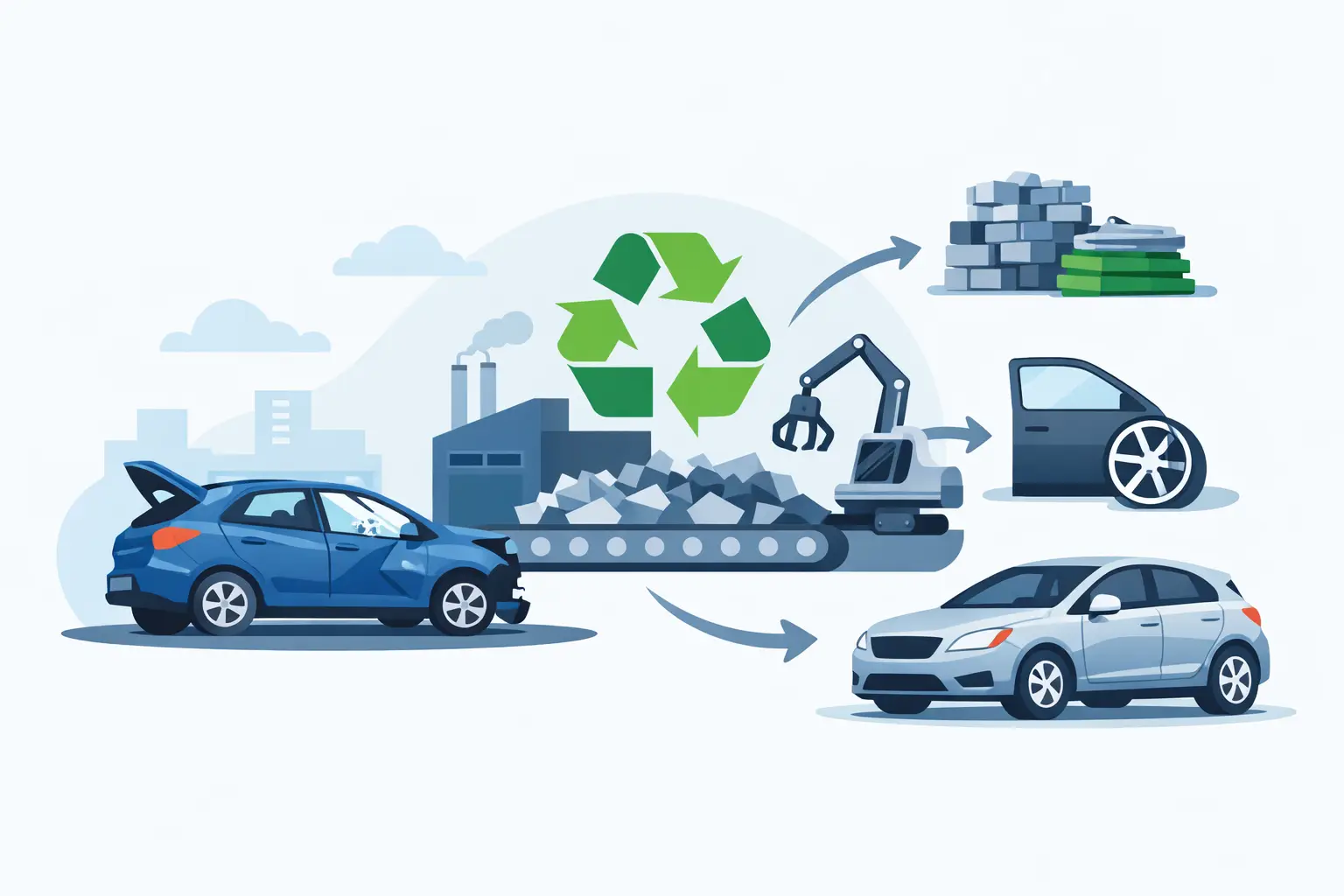
A damaged hatchback recycling example showing how quotes, collection, paperwork and recycling work when your car is beyond…
Read article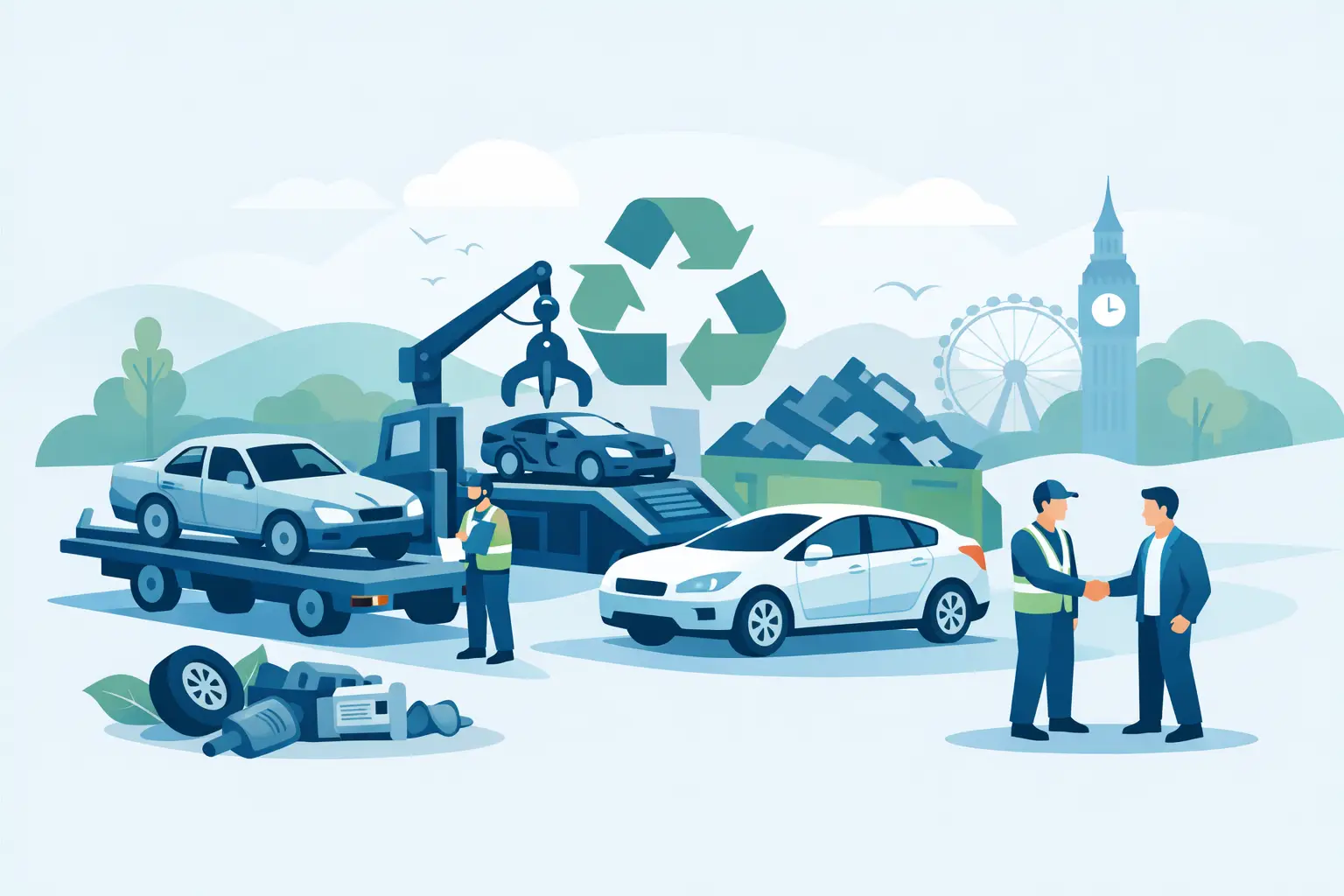
Need a car recycling service UK drivers can trust? Learn how quotes, collection, payment and paperwork work when…
Read article