
June 18, 2026
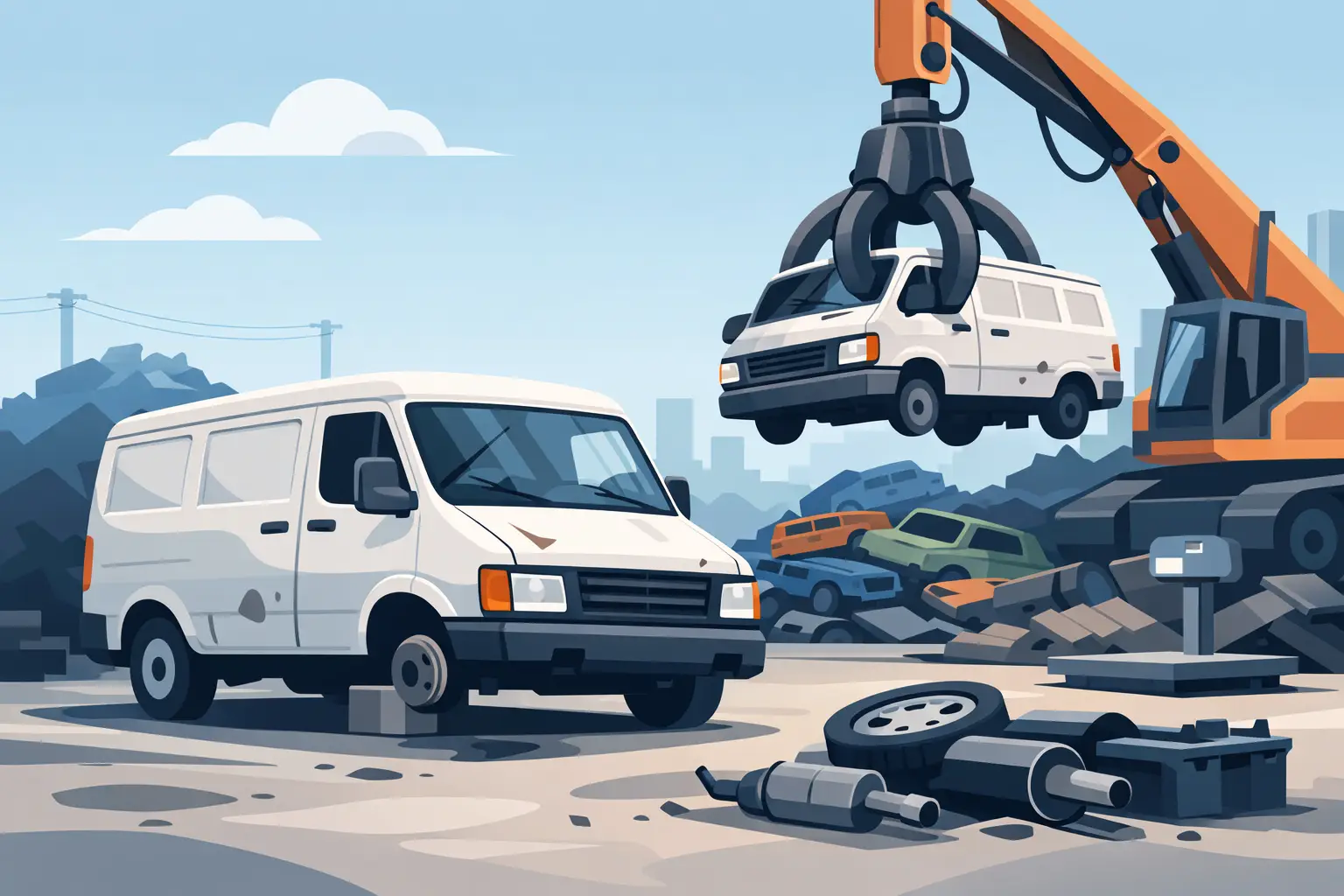
Can I Scrap a Van? What You Need to Know
Can I scrap a van? Yes - but value, paperwork and collection all matter. Learn how van scrappage…
Read article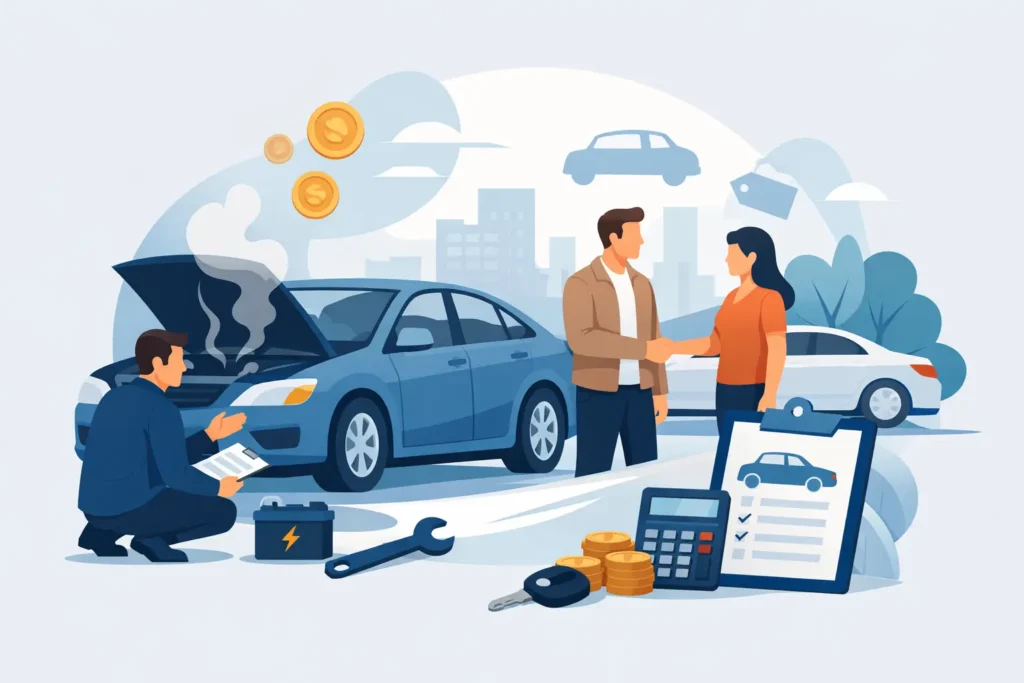
A car that will not start has a habit of sitting there longer than it should. One week turns into three months, the battery goes flatter, the MOT runs out, and suddenly you are still paying to keep a vehicle you cannot use. If you are wondering how to sell non runner cars without wasting time or money, the good news is that the process is usually far simpler than people expect.
The main thing to understand is that a non-runner still has value. Even if the engine has failed, the gearbox has gone, or the car has been parked up for months, it can still be bought by a professional vehicle recycler or salvage buyer. What changes is how the car is sold. You are not aiming for the usual private sale route. You are looking for a buyer who can collect an unroadworthy vehicle, price it fairly, and handle the paperwork properly.
The quickest way to sell a non-runner is to get a quote from a specialist that buys damaged, scrap, and end-of-life vehicles. That matters because a standard used car buyer often expects a car they can test drive, inspect on the road, and resell with minimal work. A non-runner does not fit that model, so private listings usually bring low offers, no-shows, or messages from people trying to negotiate hard once they arrive.
A specialist buyer works differently. They assess the car based on its make, model, age, condition, scrap value, and whether it has salvageable value as a whole vehicle. In practical terms, that means you can usually get a quote with just your registration and postcode, rather than writing a long advert and answering endless questions.
If the vehicle is at home, on a driveway, at a garage, or parked off-road after a breakdown, collection is often the deciding factor. A fair price can stop looking fair very quickly if you have to organise towing yourself. For many sellers, free collection is not a bonus. It is the only reason the sale makes sense.
Not every non-runner is worth the same, and this is where expectations matter. Some owners assume a car that does not start is automatically worthless. Others expect a near-retail figure because the bodywork looks tidy. The truth sits in the middle.
The value usually depends on the vehicle’s age, weight, make, model, mileage, overall condition, and the reason it no longer runs. A newer car with a single mechanical fault may attract a stronger offer than an older vehicle with heavy corrosion, accident damage, and no MOT. The catalytic converter can affect value on some cars, and so can whether the vehicle is complete.
Paperwork helps too. If you have the V5C logbook, that can make the sale smoother, although you can often still sell without it if you can prove ownership. Keys are helpful, but again, not always essential. A buyer may also ask if the wheels roll freely, whether the car steers, and where exactly it is parked. That is not nit-picking. It affects how easy and safe it is to collect.
You can try to sell a non-runner privately, but it is rarely the fastest route. You will need to describe the fault as honestly as possible, deal with messages from buyers who want a bargain, and manage viewings for a car that cannot be demonstrated properly. Many people asking about the vehicle will lose interest the moment they hear it will need towing.
A specialist buyer is normally the better option if your priority is speed, convenience, and a straightforward process. You get an offer based on the vehicle’s actual condition, collection is arranged, and payment is made once the sale is agreed. That is especially useful if the car is blocking space, costing money to insure or store, or already beyond economical repair.
There is a trade-off, of course. A private buyer who specifically wants your make and model for a project may offer more in some cases. But that can take time, and there is no guarantee you will find the right person locally. If you need the vehicle gone this week, certainty usually matters more than squeezing out the last possible pound.
When asking for a price, accuracy helps. The more clearly you describe the car, the more likely you are to receive a realistic quote that holds up on collection day.
Start with the registration, postcode, make and model. Then be clear about why it is a non-runner if you know. It is fine to say you are not a mechanic and do not know the exact fault, but do mention anything obvious such as engine failure, accident damage, electrical issues, flood damage, or long-term non-use. Also mention if the vehicle has no MOT, flat tyres, missing keys, or is stuck in a tight location.
Being upfront protects both sides. If a car is described as not starting but otherwise complete, and the collection team arrives to find major accident damage or missing components, the original quote may need to change. Most problems in this process come from poor information, not bad intent.
Once you accept an offer, collection is booked for a suitable day. A professional service should explain what you need to have ready and what happens on arrival. In most cases, the driver or collection partner will check the vehicle details, confirm the condition, load the car, and complete the handover.
Payment is typically made by bank transfer rather than cash. That is the normal and compliant way to handle scrap and salvage vehicle purchases. If someone insists on cash for a scrap vehicle, that should raise a question straight away.
You should also expect the paperwork to be handled properly. If the vehicle is being scrapped or recycled, there are rules around authorised treatment and DVLA notification. If it is being sold into the trade as salvage rather than scrap, the process can differ slightly, but the handover still needs to be clear and recorded. A serious buyer will explain what is happening rather than leaving you to work it out yourself.
The biggest mistake is waiting too long. Non-runners tend to lose value, not gain it. Tyres perish, brakes seize, bodywork deteriorates, and storage becomes more of a nuisance. If you already know the car is not worth repairing, selling sooner is usually the better move.
Another common problem is chasing an unrealistically high offer. A quote that sounds far above the rest can look tempting, but it does not always survive inspection. Some sellers learn this the hard way when the buyer arrives and cuts the price sharply, assuming the car has to go. A fair, transparent quote from the start is usually worth more than a headline number that disappears on the day.
It is also worth removing personal belongings before collection and making sure you have taken anything you need from the vehicle. Check the glovebox, boot, door pockets, and under the seats. Once the car is collected, getting items back is not always easy.
If you are in Peterborough or nearby areas such as Stamford, Spalding, March or Huntingdon, using a local service can make the process more straightforward. Collection times are often quicker, communication is easier, and there is less chance of long delays while transport is arranged from further away.
That local angle matters even more with a non-runner because logistics are half the job. You are not just selling a car. You are solving the problem of an immobile vehicle that needs to be removed safely, legally, and without turning into a week of phone calls.
For many sellers, that is the real answer to how to sell non runner vehicles. It is not about writing a better advert or waiting for the perfect buyer. It is about finding a professional service that gives a sensible price, collects for free, pays promptly, and deals with the process properly from start to finish.
If your car no longer starts and you are done spending money on it, there is no prize for letting it sit there any longer. Get a proper quote, be honest about the condition, and choose the option that gets it sorted with the least hassle.
Ready to get a fair price for your scrap car?
Get a Free Quote
Can I scrap a van? Yes - but value, paperwork and collection all matter. Learn how van scrappage…
Read article
The future of vehicle recycling is changing fast in the UK, with better recovery, EV battery handling and…
Read article
Scrap car market trends affect what your vehicle is worth. See what drives prices, demand and timing so…
Read article