
July 1, 2026
Repairing Versus Scrapping Cars: Which Pays?
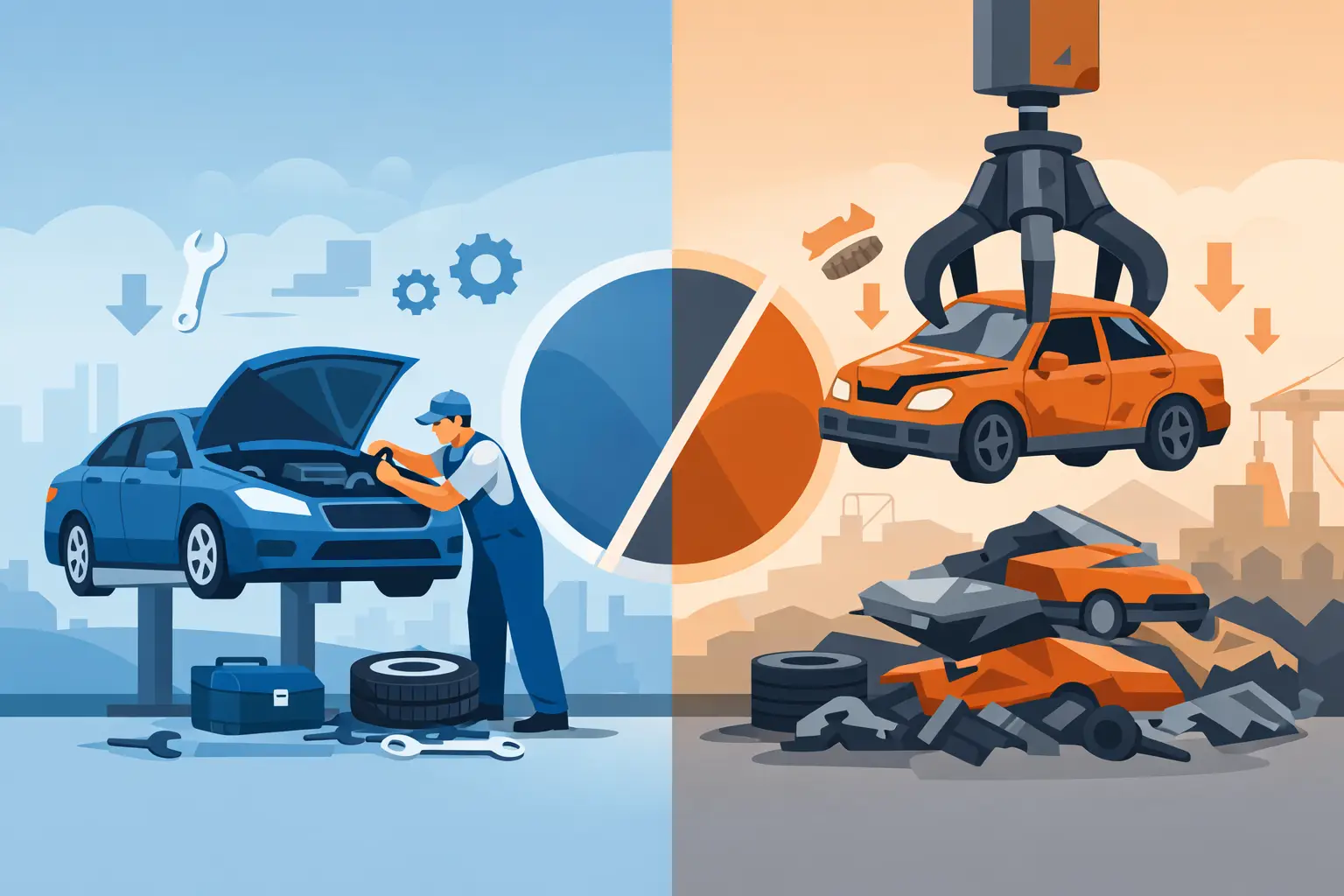
Repairing versus scrapping cars depends on cost, age and damage. Learn when a repair makes sense and when…
Read article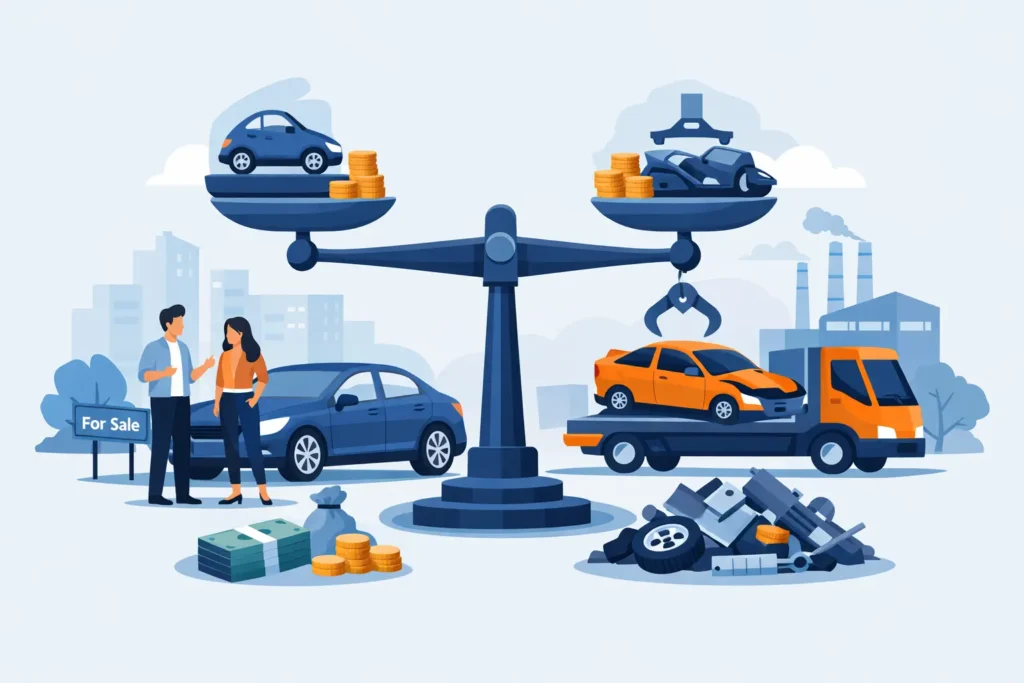
A car that is barely used but still roadworthy is one thing. A non-runner on the drive, an MOT failure, or an accident-damaged vehicle is something else entirely. If you are weighing up private sale or scrappage, the right answer usually comes down to one simple question: are you trying to squeeze out every last pound, or are you trying to get the car gone quickly, safely and with less hassle?
For many sellers, the decision is not really about theory. It is about whether the car will realistically attract a serious buyer, how much time you want to spend dealing with viewings and messages, and whether the vehicle is still worth marketing as a private sale at all. Some cars are still good candidates for a private buyer. Others are far better suited to collection and recycling.
A private sale means advertising the vehicle yourself and selling it directly to another individual. If the car is in decent condition, has a valid MOT, starts reliably and looks presentable, this route can bring in more money. Buyers pay more for a usable car than for one valued mainly by weight, age or salvage.
Scrappage is different. It is built around speed and practicality. Instead of waiting for the right buyer, you get a price based on the vehicle’s condition, age, make, model and recycling value. If the car is damaged, uneconomical to repair, or simply not worth the effort of selling privately, scrappage is often the cleaner solution.
That is why the best option depends on the car in front of you, not just the headline figure. A private sale may look better on paper, but only if someone actually buys it.
If your car still drives well, has a reasonable service history and does not need expensive work, a private sale is worth considering. The strongest candidates are everyday used cars that another motorist can insure, drive home and use straight away.
You may also do better privately if the car has relatively low mileage for its age, a long MOT, and no major warning lights or known faults. Buyers are more comfortable paying a higher price when the vehicle feels usable and predictable.
That said, private selling comes with effort. You need to clean the car, take photos, write an honest advert, answer messages and arrange viewings. You also need to expect time wasters. Some people will ask if the car is still available and then disappear. Others will turn up and offer far below the asking price.
For some owners, that is manageable. For others, especially when the car is already causing stress, it is exactly the headache they want to avoid.
Private sale is often treated as the high-value option, but that does not mean it is always the best-value option. There is a difference.
If a car sits on your drive for three weeks while you pay insurance, deal with enquiries and keep rearranging your day for viewings, the extra money can start to shrink. If the car does not start on the day a buyer arrives, or a fault appears during a test drive, the process can drag on even longer.
There is also the issue of negotiation. Buyers expect movement on price. If you list a vehicle at the absolute maximum you hope to achieve, you may still end up accepting less after several rounds of haggling.
Scrappage usually makes more sense when the car is old, damaged, non-running or expensive to put right. If it has failed its MOT on multiple points, needs major mechanical work, has been written off, or has been standing unused for months, private demand drops sharply.
This is where convenience becomes a real financial factor. A scrap vehicle may not be worth enough to justify repairs, transport, storage or your own time. In that case, getting a firm quote, arranging free collection and receiving prompt payment is often the smarter move.
For many owners, scrappage is not a last resort. It is simply the more practical route when the car no longer fits into normal private sale territory.
There are some obvious signs. If the car does not run, cannot be driven legally, has serious body damage, or needs repairs that cost more than the car is worth, private buyers become limited. You may still get the occasional message from someone interested, but that does not mean the sale will be straightforward.
The same applies to end-of-life vehicles that have become a burden. If you need it collected from home, from a garage, or from the roadside after a breakdown, scrappage is often the fastest way to draw a line under it.
In areas such as Peterborough and nearby towns, this matters even more for busy households. Most people do not want to organise towing, field calls from unknown buyers and then sort disposal paperwork on top.
The hardest part of the private sale or scrappage decision is that one route may offer a higher possible return, while the other offers a more certain outcome.
A private sale gives you upside, but not guarantees. You could achieve a better price, or you could spend days chasing a result that never arrives. Scrappage is usually more straightforward. The figure may be lower than the best-case private sale price, but it is tied to speed, collection and less risk.
That certainty is worth something. It matters even more if the vehicle is taking up space, causing complaints from neighbours, or costing you money each week it remains unused.
Another factor people often overlook is paperwork. With a private sale, you need to make sure the handover is properly recorded and that the ownership change is completed correctly. You also need to be clear and honest about the condition of the car.
With scrappage, the process is usually more structured. That matters if the vehicle is at the end of its life and you want the disposal handled correctly. A professional service should make collection straightforward, explain what is needed, and help keep the transaction clear from start to finish.
For many sellers, that removes a lot of uncertainty. If the car is no longer worth much, confidence in the process can matter more than chasing a small difference in price.
Start with the car’s real-world condition, not your best memory of it. Ask yourself whether someone would genuinely want to buy it to use, not just whether it once had value. If it still runs well, has a decent MOT and needs little or no immediate work, test the private market. If the messages are serious and the price gap is worthwhile, private sale can be the right call.
If the car is non-running, badly damaged, uneconomical to repair or simply too much trouble to sell, scrappage is usually the more sensible choice. The less marketable the vehicle is, the more valuable convenience becomes.
A good rule is this: if your time, transport costs and effort are likely to eat into the price advantage of a private sale, scrappage is often the better overall deal.
If you are unsure, compare both options honestly. Look at what similar roadworthy cars are actually selling for, then subtract the faults your vehicle has. Factor in repair costs, MOT issues, collection needs and the time involved in advertising it. Then compare that with a scrap quote.
This tends to clarify things fast. Cars with life left in them can still justify a private listing. Cars that are failing, immobile or costly to put right usually point firmly towards scrappage.
For owners who want a fast, local and managed process, Scrap Cars Peterborough is built for exactly that situation – especially when the car is not worth the delay and hassle of a private sale.
The right choice is the one that fits the car you have now, not the one you hoped you still had. If selling privately feels like hard work before you have even started, that is usually your answer.
Ready to get a fair price for your scrap car?
Get a Free Quote
Repairing versus scrapping cars depends on cost, age and damage. Learn when a repair makes sense and when…
Read article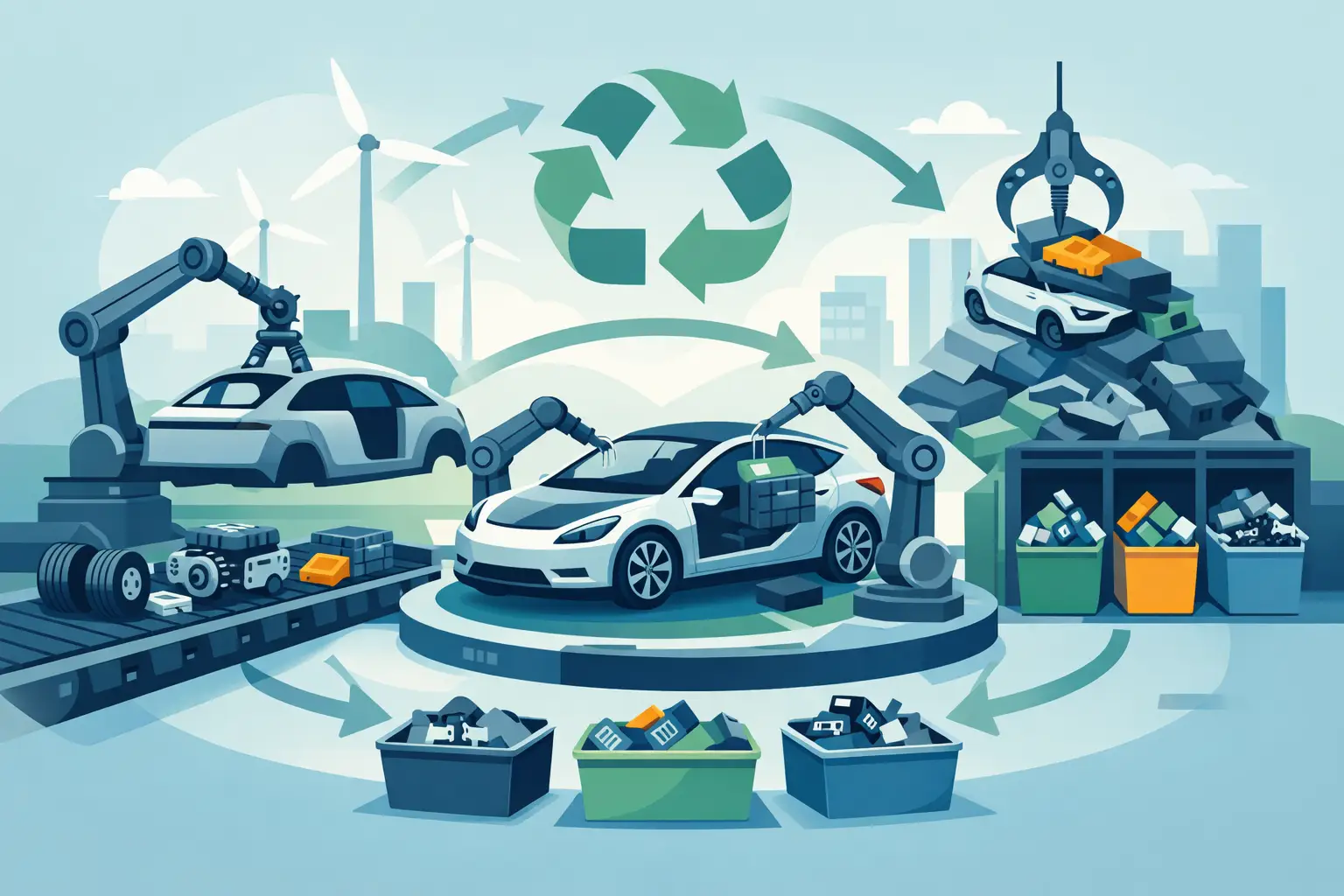
Learn how the future car recycling process will handle EVs, batteries, plastics and data, and what it means…
Read article
Need quick car removal Peterborough drivers can rely on? Get a fast quote, free collection, quick payment and…
Read article