

April 27, 2026
How to Sell Car With Engine Failure
Need to sell car with engine failure? Learn your options, what affects value, and how to get collection,…
Read article
Most inherited cars are not tidy, ready-to-sell family hatchbacks sitting on a clean drive with every document in the glovebox. More often, selling an inherited scrap car example looks like this: an older vehicle has been left on private property, it has not moved for months or years, the MOT has expired, one or two keys are missing, and nobody in the family wants the job of sorting it out. That is exactly where a straightforward scrap sale usually makes the most sense.
If you have been left a car that is damaged, non-running or simply at the end of its life, the main priorities are usually the same. You want to deal with it properly, avoid paperwork mistakes, get a fair price and have it collected without dragging the process out. The good news is that inherited scrap cars are common, and the process is usually much simpler than people expect.
Take a typical case. A family in Peterborough inherits a 2008 diesel estate after a parent passes away. The car has been parked on the drive for nearly a year. The battery is flat, one rear wing is dented, the tyres are low, and the last MOT flagged corrosion. The family briefly considers repairing it, but once they price up recovery, welding, a battery and a fresh MOT, the numbers stop making sense.
At that point, they are not really selling a usable car to a private buyer. They are dealing with an end-of-life vehicle that needs collecting and disposing of through the proper channels. That changes the decision completely. Instead of spending time advertising it, answering messages and arranging viewings for a car that may never start again, they can get a quote based on the registration, postcode and condition, book collection, and receive payment by bank transfer.
That is the practical difference with inherited scrap cars. The value is usually in the vehicle as scrap or salvage, not as a second-hand car for the retail market.
Before arranging collection, confirm whether you are legally able to sell the vehicle. In many inherited cases, that depends on where the estate is in the process. If probate is required, you may need to wait until the executor has authority to act. If you are the executor or administrator, you can usually deal with the vehicle as part of the estate once you have the right documentation.
This is where people often get worried, but it does not need to become complicated. You do not always need every document on day one to request a quote. What matters is being clear about the situation from the start. A professional scrap car buyer will tell you what is needed before collection goes ahead.
If the car is registered in the name of the person who has died, do not guess your way through the transfer. Check the paperwork carefully and make sure the sale is being handled by the person entitled to act for the estate. It saves problems later and keeps the disposal compliant.
Families often ask the same question: should we try to sell it privately first? Sometimes the answer is yes, but often it is no.
If the inherited vehicle is relatively modern, in working order and has decent service history, a private sale may bring more money. But if it has been standing, has failed its MOT, suffered accident damage, or would cost more to repair than it is worth, the extra effort rarely pays off. You can spend weeks arranging inspections only for buyers to negotiate hard or walk away.
A scrap sale is usually the better fit when convenience matters as much as the final figure. Collection is included, the vehicle does not need to be roadworthy, and you are not left arranging towing or storage. For many families dealing with an estate, that reduction in hassle matters more than squeezing out a small extra amount.
Even with a scrap vehicle, prices vary. The make, model, age and weight of the car all matter. So does whether it is complete, whether it still rolls, and how easy it is to collect. A missing engine, severe fire damage or major accident damage may reduce the offer. A complete vehicle with catalytic converter and standard factory components will often achieve more.
Location can also play a part in how quickly collection is arranged, especially if the car is tucked away in a garage, blocked in on a narrow drive or parked on land with restricted access. It is worth mentioning these details early rather than leaving them for the collection day.
The best approach is simple: give an honest description. Overstating the condition wastes time. A clear, accurate quote is more useful than a higher figure that changes once the driver arrives.
The paperwork side sounds more daunting than it is. In most inherited vehicle cases, the concerns are predictable – the V5C cannot be found, the named keeper has died, the executor is handling the sale, or the car has not been taxed or tested for some time.
None of that is unusual. What matters is that the sale is documented correctly and the vehicle is passed into the right disposal process. You should also make sure the DVLA records are updated as required once the vehicle has been sold or scrapped.
If you are unsure which documents you need, ask before collection is booked. A good service will explain the steps in plain English rather than expecting you to sort it out alone. That is especially helpful when you are already managing other parts of an estate.
Here is another selling an inherited scrap car example that reflects what many families deal with. A son inherits his late mother’s small petrol car in Huntingdon. It has not been driven since she stopped using it eight months earlier. The clutch is gone, the MOT has expired, and the car is taking up space outside sheltered accommodation where it cannot be left much longer.
He finds the registration, requests a quote, explains that the car is inherited and non-runner, and confirms that he is dealing with the estate. He is asked a few basic questions about condition and access. Once the paperwork position is clarified, collection is booked for the next day. The car is lifted from site, the payment is made by bank transfer, and the final disposal paperwork is handled properly.
That is what most people want – not a drawn-out negotiation, just a clean solution that gets the car removed and the estate one task closer to being finished.
The biggest delays usually come from small avoidable issues. One is assuming a non-running inherited car can be sold like any ordinary used vehicle. Another is leaving out key details such as missing wheels, locked steering, or difficult access. A third is waiting until collection day to mention that the person selling the car is not the registered keeper and is acting for the estate.
These are not deal-breakers, but they can slow things down. The smoother route is to be upfront from the beginning. If the car has no keys, say so. If probate is still ongoing, say so. If the vehicle is parked in a tight underground bay or behind another car, mention it. Clear information means a proper collection can be arranged without wasted trips or last-minute changes.
Inherited cars often come with a deadline. The property may be going up for sale, tenancy arrangements may be ending, or neighbours may be complaining that the vehicle has been sitting untouched. In those cases, speed is not just convenient – it solves a genuine problem.
That is where a service built around quick quotes, free collection and prompt payment has real value. You are not trying to revive a dead vehicle or argue with time-wasters. You are getting the car removed safely and professionally, with less stress for the family.
For people across Peterborough and nearby areas, that local collection element makes a big difference. If the car does not start, you should not have to organise separate transport just to get rid of it.
You should expect a process that is direct and easy to follow. That means a quote based on the vehicle details, a clear explanation of what is needed for an inherited sale, free collection from the vehicle’s location, and fast bank payment once everything is confirmed. You should also expect the disposal to be handled in line with the official process, not through vague cash arrangements or half-explained paperwork.
That is one reason many people choose Scrap Cars Peterborough when they need to clear an inherited non-runner quickly. The aim is not to make the process sound clever. It is to make it easy to complete.
An inherited scrap car is rarely just a car. It is usually one more job in the middle of a bigger set of responsibilities. If you can hand that job over to a service that quotes fairly, collects promptly and handles the paperwork properly, that is often the most practical decision you can make.
Ready to get a fair price for your scrap car?
Get a Free Quote
Need to sell car with engine failure? Learn your options, what affects value, and how to get collection,…
Read article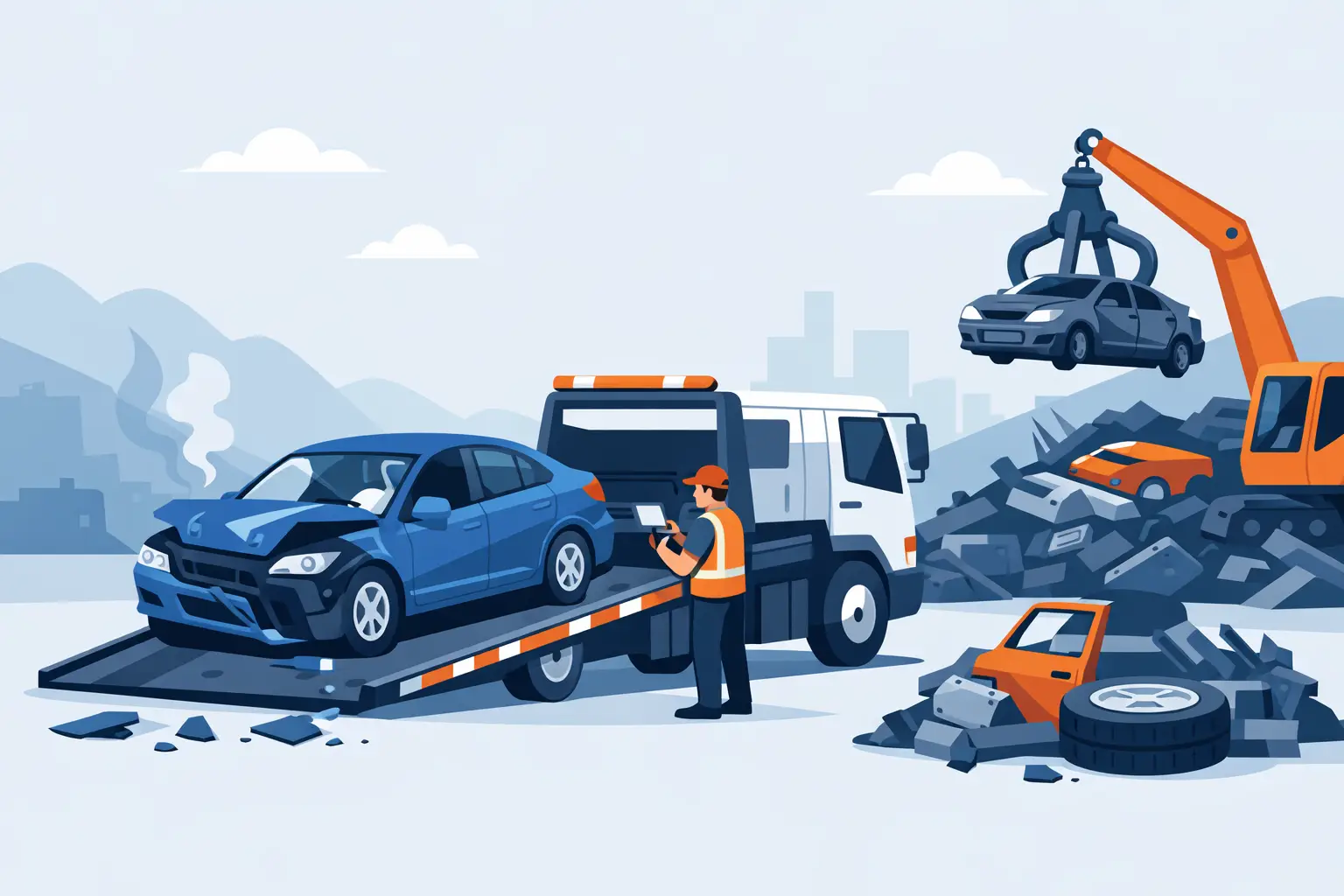
Learn how to scrap an accident damaged car in the UK, from quotes and collection to paperwork, payment…
Read article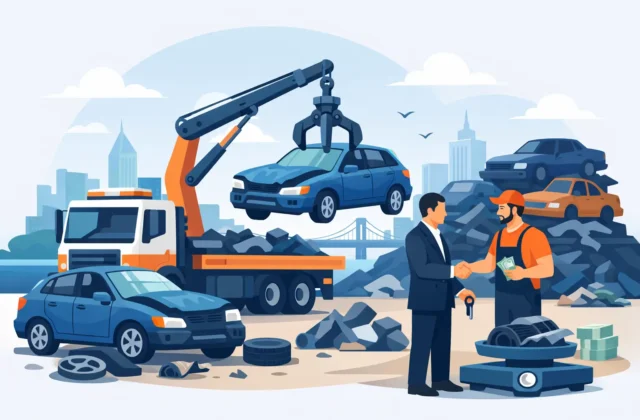
Need to scrap your car in Stamford? Get a fair quote, free collection and prompt bank payment, with…
Read article